
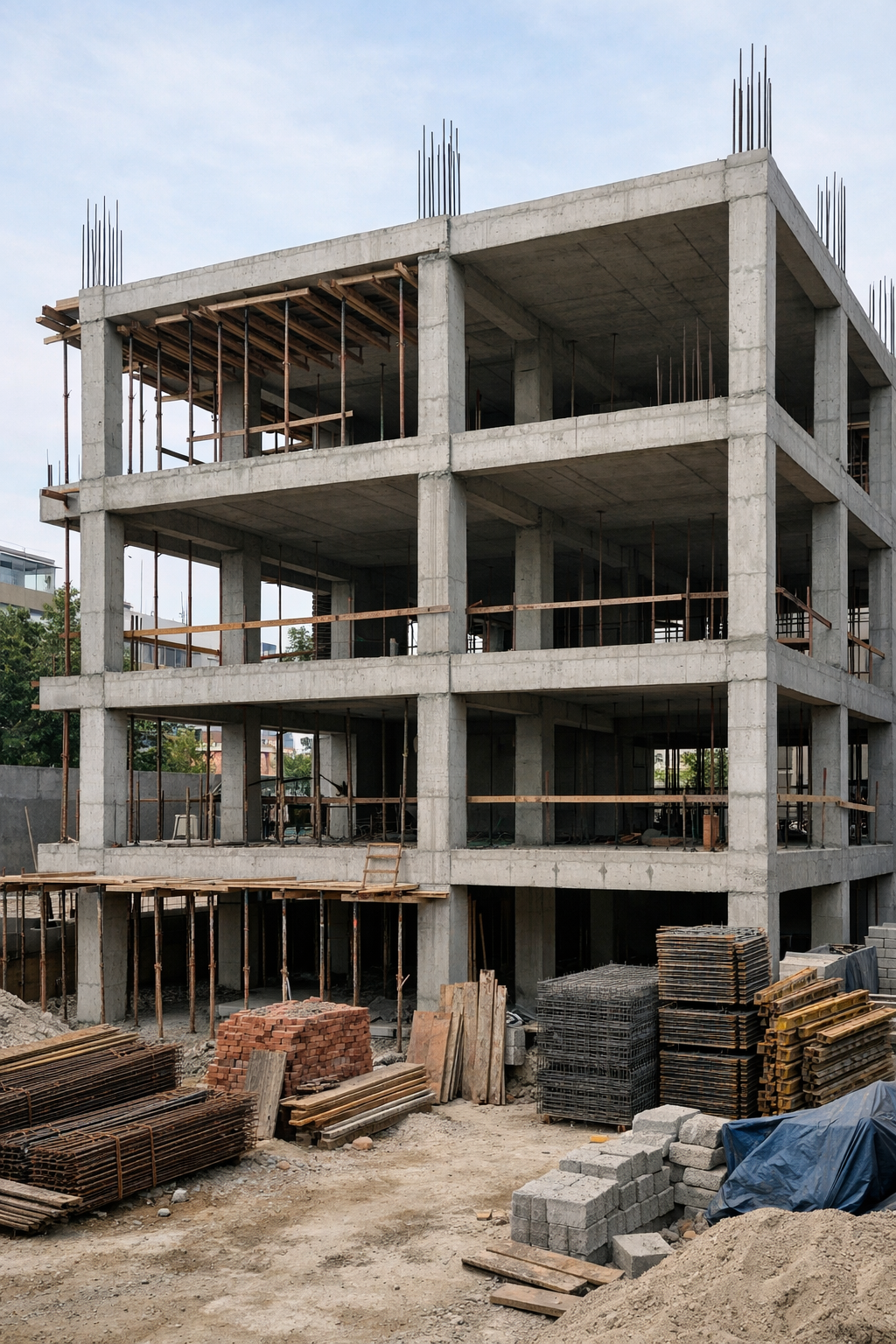
Most buyers see a builder floor only after completion, when interiors look polished and ready for possession. However, understanding the builder floor construction process helps buyers recognize true construction quality and appreciate the effort behind a well-built home. In South Delhi, where redevelopment drives residential growth, construction standards play a major role in determining long-term durability and comfort.
Knowing how a builder floor is constructed allows buyers to evaluate properties more confidently and make informed purchase decisions.
Stage 1: Site Evaluation and Planning
Every successful builder floor construction process begins with detailed planning.
Developers first evaluate:
-
plot dimensions and orientation
-
road access and surroundings
-
sunlight direction
-
ventilation potential
-
soil condition
Architectural planning ensures optimal space utilization and structural safety before construction begins.
Experienced developers like Rana Infra prioritize planning accuracy to create layouts that balance design and functionality.
Stage 2: Excavation and Foundation Work
The foundation forms the backbone of the builder floor construction process.
During this stage:
-
soil excavation takes place
-
foundation depth is prepared
-
reinforcement steel framework is installed
-
concrete footing is poured
A strong foundation ensures building stability and prevents structural issues in the future.
Stage 3: Structural Framework Construction
Once the foundation is complete, the structural skeleton is developed.
This includes:
-
column construction
-
beam placement
-
floor slab casting
-
load distribution alignment
Structural precision determines how well the building performs over decades. Proper engineering ensures strength against environmental stress and long-term wear.
Stage 4: Brickwork and Wall Formation
After structural completion, internal and external walls are constructed.
Key considerations include:
-
accurate wall alignment
-
room dimension precision
-
window placement for ventilation
-
sound insulation planning
This stage begins shaping the actual living spaces buyers later experience.
Stage 5: Plumbing and Electrical Installation
Before finishing work begins, concealed services are installed.
The builder floor construction process includes:
-
water supply pipelines
-
drainage systems
-
electrical conduits
-
internet and security wiring
Proper planning at this stage prevents future maintenance issues and ensures safe functionality.
Stage 6: Plastering and Surface Finishing
Walls and ceilings are prepared through plastering to create smooth surfaces.
This stage improves:
-
wall durability
-
moisture resistance
-
paint finish quality
Precision here affects the final visual appearance of interiors.
Stage 7: Flooring, Doors, and Window Installation
Once surfaces are ready, finishing elements are installed.
These include:
-
flooring materials
-
door frames
-
window systems
-
balcony railings
Quality installation ensures durability and proper alignment throughout the home.
Stage 8: Waterproofing and Protection Measures
Waterproofing is one of the most critical steps in the builder floor construction process.
Areas treated include:
-
bathrooms
-
terraces
-
balconies
-
external walls
Proper waterproofing protects the structure from seepage and long-term damage.
Stage 9: Interior Finishing and Fixtures
This is the stage buyers usually notice first.
Work completed includes:
-
painting
-
lighting installation
-
kitchen fittings
-
bathroom fixtures
-
smart home integrations
However, these cosmetic elements depend heavily on earlier construction accuracy.
Stage 10: Final Inspection and Quality Checks
Before possession, developers conduct inspections to verify:
-
plumbing functionality
-
electrical safety
-
finishing quality
-
structural alignment
Professional developers ensure homes meet quality standards before handover.
Why Understanding the Construction Process Helps Buyers
Buyers who understand the builder floor construction process can:
-
identify quality workmanship
-
ask better questions during site visits
-
evaluate developer credibility
-
avoid poorly constructed properties
Knowledge reduces risk during property investment.
How Experienced Developers Maintain Quality
Quality construction depends on supervision, material selection, and execution discipline. At Rana Infra, structured construction monitoring ensures every stage follows planned engineering standards, helping deliver durable and comfortable homes.
Long-Term Benefits of Proper Construction
Well-executed construction results in:
-
fewer maintenance issues
-
improved safety
-
stronger resale value
-
better living comfort
Therefore, construction quality directly influences long-term satisfaction.
Conclusion
Understanding the builder floor construction process allows buyers to look beyond surface aesthetics and evaluate properties intelligently. From foundation to finishing, each stage contributes to the durability and performance of a home.
In South Delhi’s competitive builder floor market, buyers who appreciate construction fundamentals make more confident and future-ready investments.