
Buying a builder floor is one of the most important decisions for a homebuyer, especially in premium residential markets like South Delhi. One of the biggest questions buyers face during their property search is whether to choose a ready-to-move builder floor or invest in an under-construction builder floor.
Both options have their own advantages and risks. The right choice depends on your financial planning, timeline, risk appetite, and long-term goals. Understanding the differences clearly can help you make a confident and well-informed decision.
This guide explains the key differences, benefits, drawbacks, and practical considerations to help you decide which option suits you best.
Ready-to-Move vs Under-Construction Builder Floors
Understanding Ready-to-Move Builder Floors
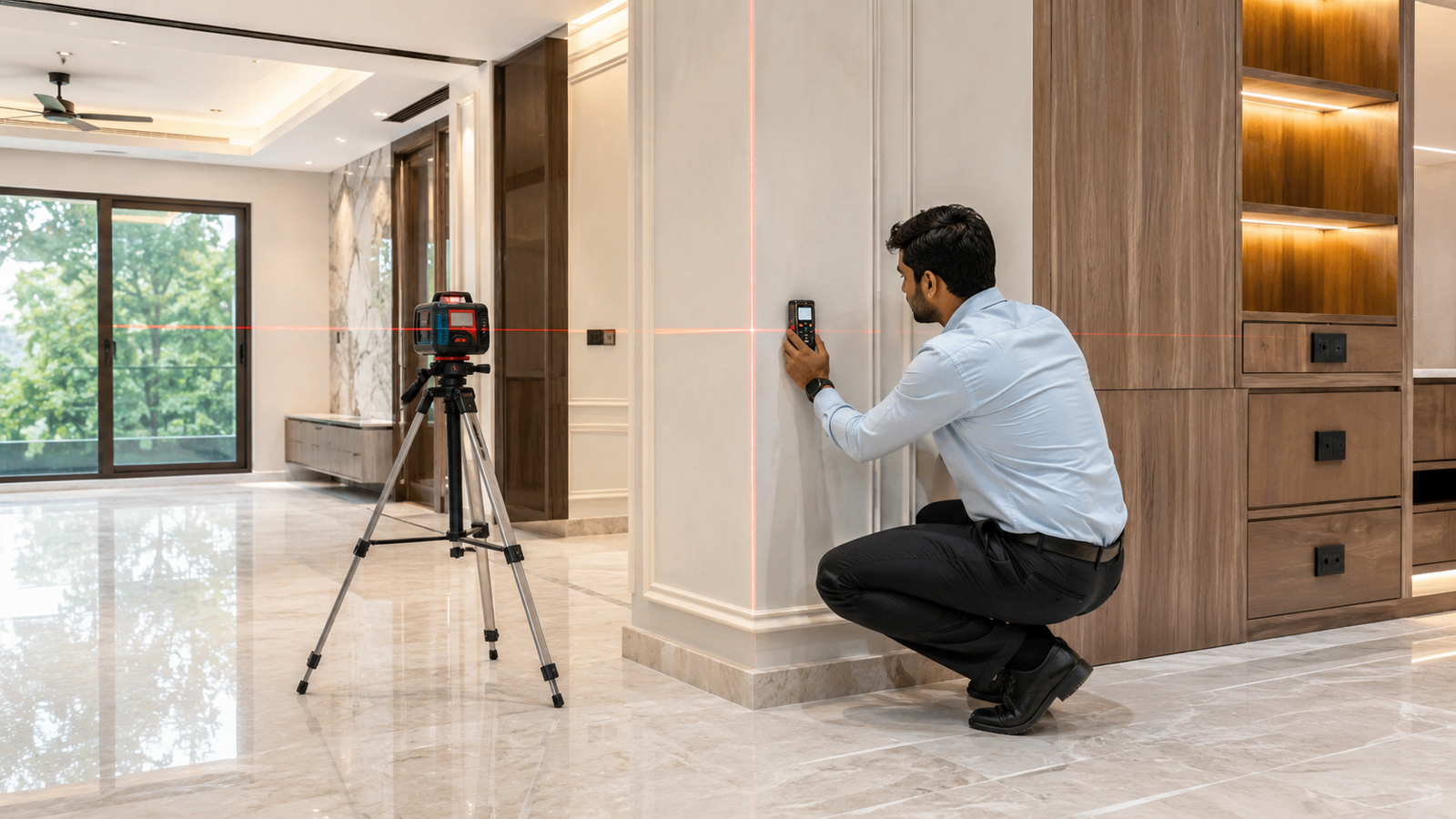
A ready-to-move builder floor is a completed property where construction is finished, occupancy certificate is obtained (or in process), and possession can be taken immediately.
You can physically visit the unit, inspect quality, and understand exactly what you are buying.
Advantages of Ready-to-Move Builder Floors
Immediate Possession
You can move in as soon as the transaction is completed. This is ideal for families who cannot wait months or years.
No Construction Risk
There is no uncertainty about project delays, incomplete work, or changes in specifications.
What You See Is What You Get
Layout, room sizes, ventilation, fittings, and finishing are visible. There are no surprises later.
Easier for End-Users
Families buying for self-use often prefer ready homes to avoid stress and uncertainty.
Rental Income Opportunity
Investors can start earning rental income immediately.
Limitations of Ready-to-Move Builder Floors
Higher Purchase Price
Ready properties generally cost more than under-construction options.
Limited Customization
Structural layout and finishes are already completed. Major changes are difficult.
Older Inventory Possibility
Some ready homes may have been completed months earlier, making them slightly dated in design or specifications.
Understanding Under-Construction Builder Floors
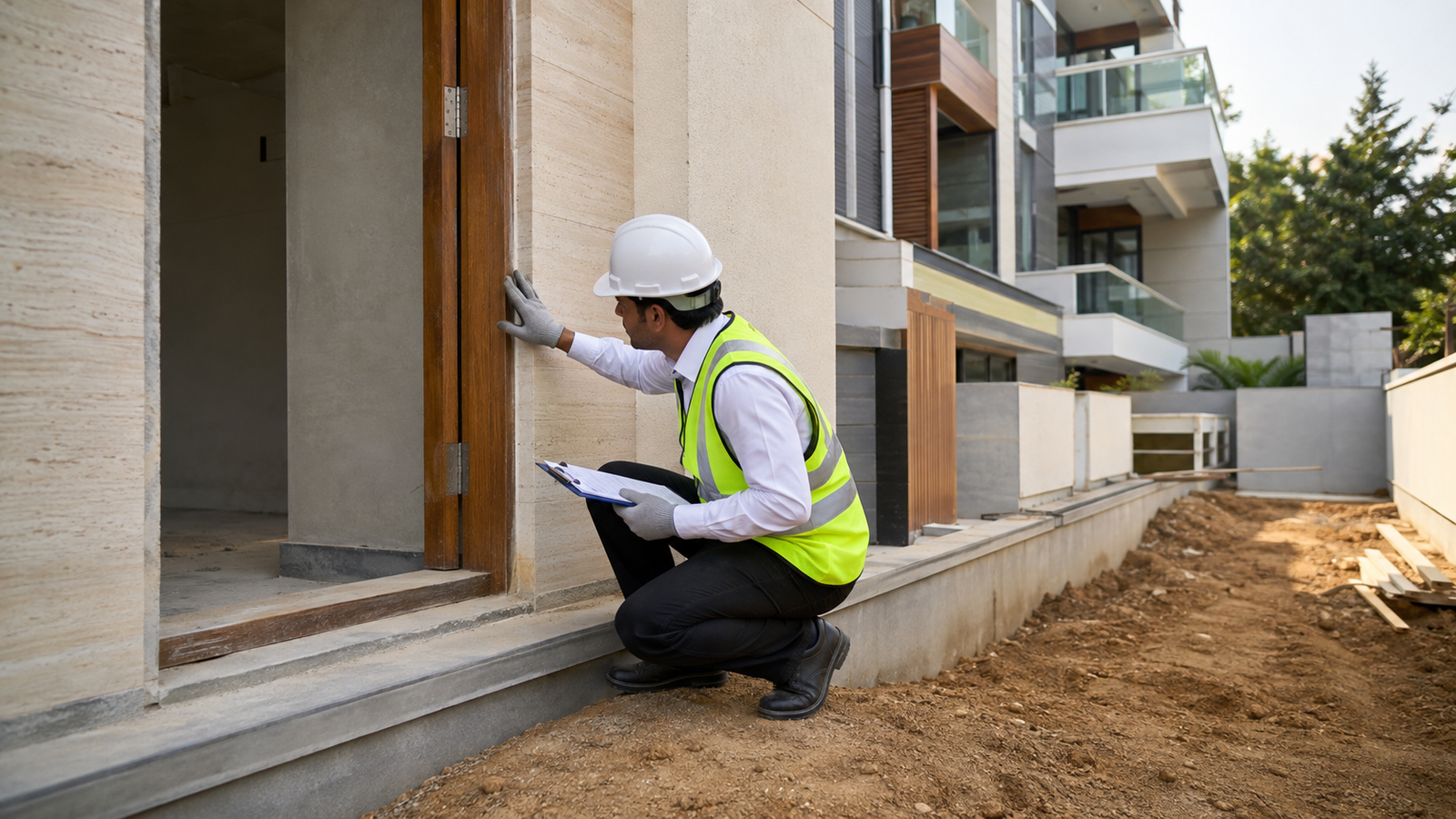
Under-construction builder floors are properties still being developed and offered for sale during different construction stages.
Advantages of Under-Construction Builder Floors
Lower Entry Price
Prices are usually lower than ready-to-move options, offering better initial value.
Flexible Payment Plans
Payments are often linked to construction milestones, easing cash flow.
Customization Possibility
Early buyers may be able to choose tiles, wardrobes, kitchen finishes, or minor layout changes.
Higher Appreciation Potential
If purchased at an early stage from a reputed builder, under-construction floors can appreciate by the time they are completed.
Limitations of Under-Construction Builder Floors
Construction Delays
Project timelines can extend due to approvals, labor shortages, or material issues.
Quality Uncertainty
You rely heavily on the builder’s reputation and promises.
No Immediate Use
You cannot live in or rent out the property until completion.
Market Risk
If market conditions change, appreciation may be slower than expected.
Key Factors to Consider Before Choosing
1. Your Time Horizon
If you need a home within the next 3–6 months, ready-to-move is the obvious choice.
If you can wait 12–24 months, under-construction may offer better pricing opportunities.
2. Purpose of Purchase
End-Use Buyers
Typically prefer ready-to-move for peace of mind.
Investors
May prefer under-construction for capital appreciation, provided the builder is reliable.
3. Budget Planning
Ready-to-move requires a larger upfront amount.
Under-construction spreads payments across construction stages.
4. Risk Tolerance
If you prefer certainty and minimal risk, choose ready-to-move.
If you are comfortable with some risk for potentially higher gains, under-construction can work.
Cost Comparison in Practical Terms
While under-construction builder floors are cheaper initially, buyers must factor in:
-
Potential delay costs
-
Temporary rental housing
-
Price escalation clauses
-
Additional customization expenses
In many cases, the final cost difference between ready and under-construction narrows.
Quality Control Perspective
With ready-to-move homes:
-
You can check waterproofing
-
Test plumbing and electricals
-
Inspect finishing
-
Evaluate ventilation and daylight
With under-construction homes:
-
You must rely on site visits and sample flats
-
Builder transparency becomes critical
Reputed builders with a proven track record reduce this risk.
Legal & Documentation Aspects
For Ready-to-Move:
-
Occupancy/Completion certificate
-
Sanctioned building plan
-
Clear ownership chain
For Under-Construction:
-
Approved plans
-
Construction agreements
-
Timeline commitments
-
Penalty clauses for delays
Legal due diligence is essential in both cases.
Resale Value & Market Demand
Ready-to-move builder floors:
-
Easier to resell
-
Attract end-user buyers
Under-construction builder floors:
-
Appeal more to investors
-
Resale demand improves only after nearing completion
If future liquidity is important, ready-to-move offers an advantage.
When Ready-to-Move Makes More Sense
-
You are buying your first home
-
You have family depending on quick possession
-
You want predictable outcomes
-
You prefer to avoid stress
When Under-Construction Makes More Sense
-
You have flexible timelines
-
You are investing for appreciation
-
You trust the builder’s delivery record
-
You want customization
Hybrid Strategy Many Buyers Use
Some buyers book an under-construction floor for long-term gains while living in an existing home or rental. This approach works well for financially stable investors.
Common Mistakes Buyers Make
-
Choosing under-construction solely because it is cheaper
-
Ignoring builder track record
-
Not visiting previous projects
-
Overestimating appreciation
-
Skipping legal verification
Avoiding these mistakes protects your investment.
Final Verdict
There is no universal “better” option between ready-to-move and under-construction builder floors.
Choose ready-to-move if you value certainty, immediate possession, and peace of mind.
Choose under-construction if you value lower entry price, customization, and potential appreciation.
The most important factor in both cases is selecting a trustworthy builder and a strong residential location. When these two elements are right, both ready-to-move and under-construction builder floors can become excellent long-term assets and comfortable family homes.