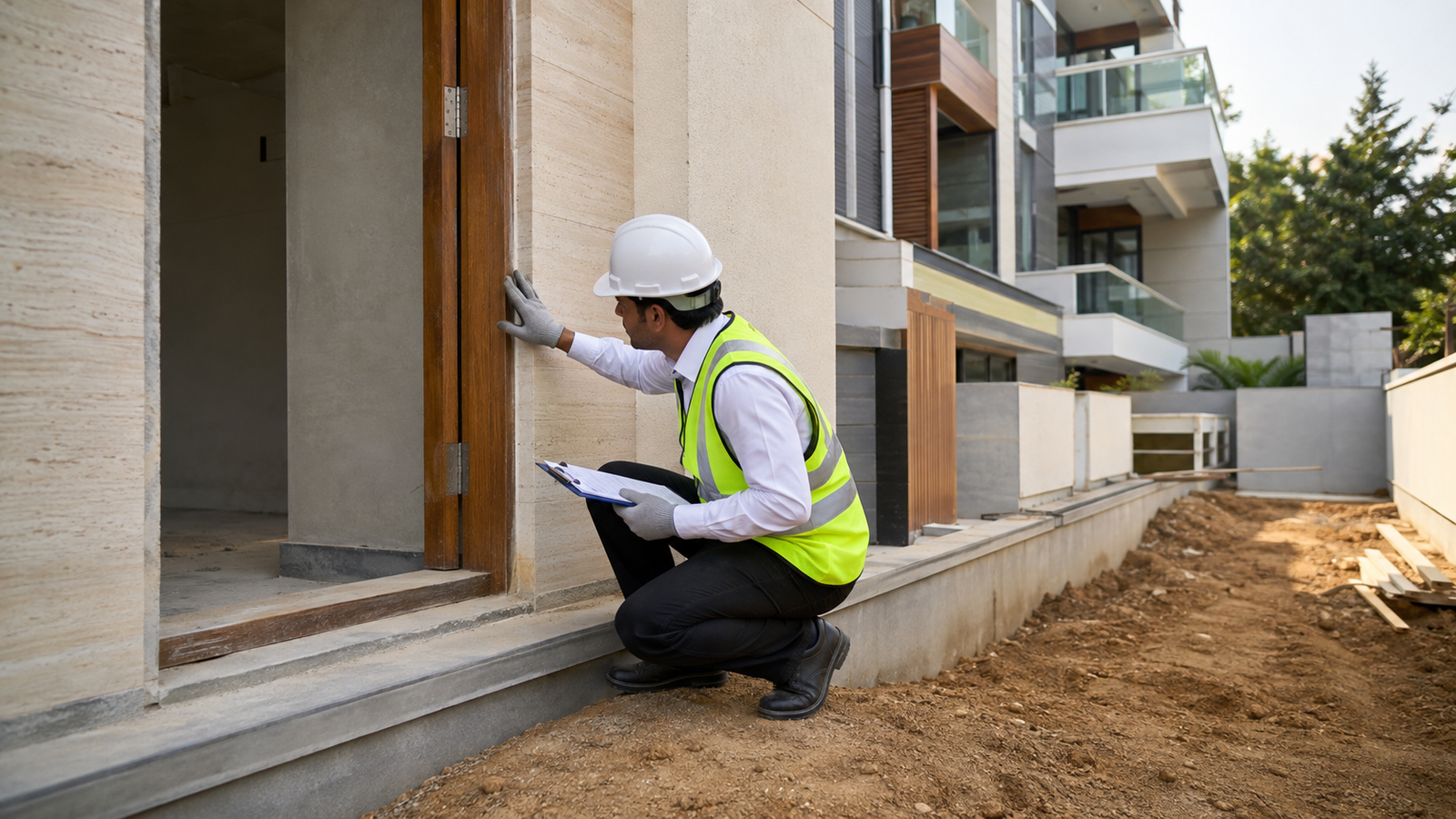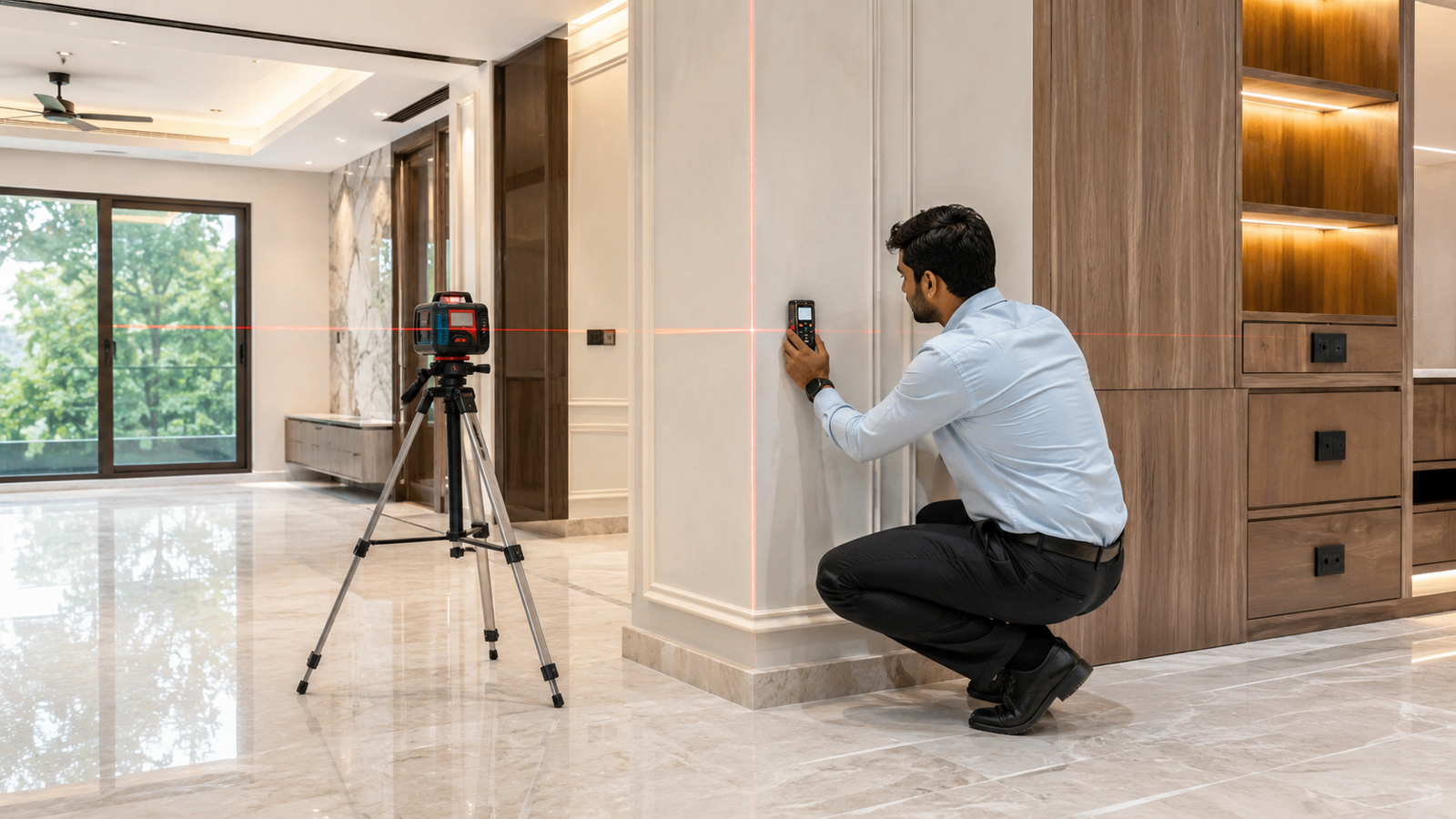
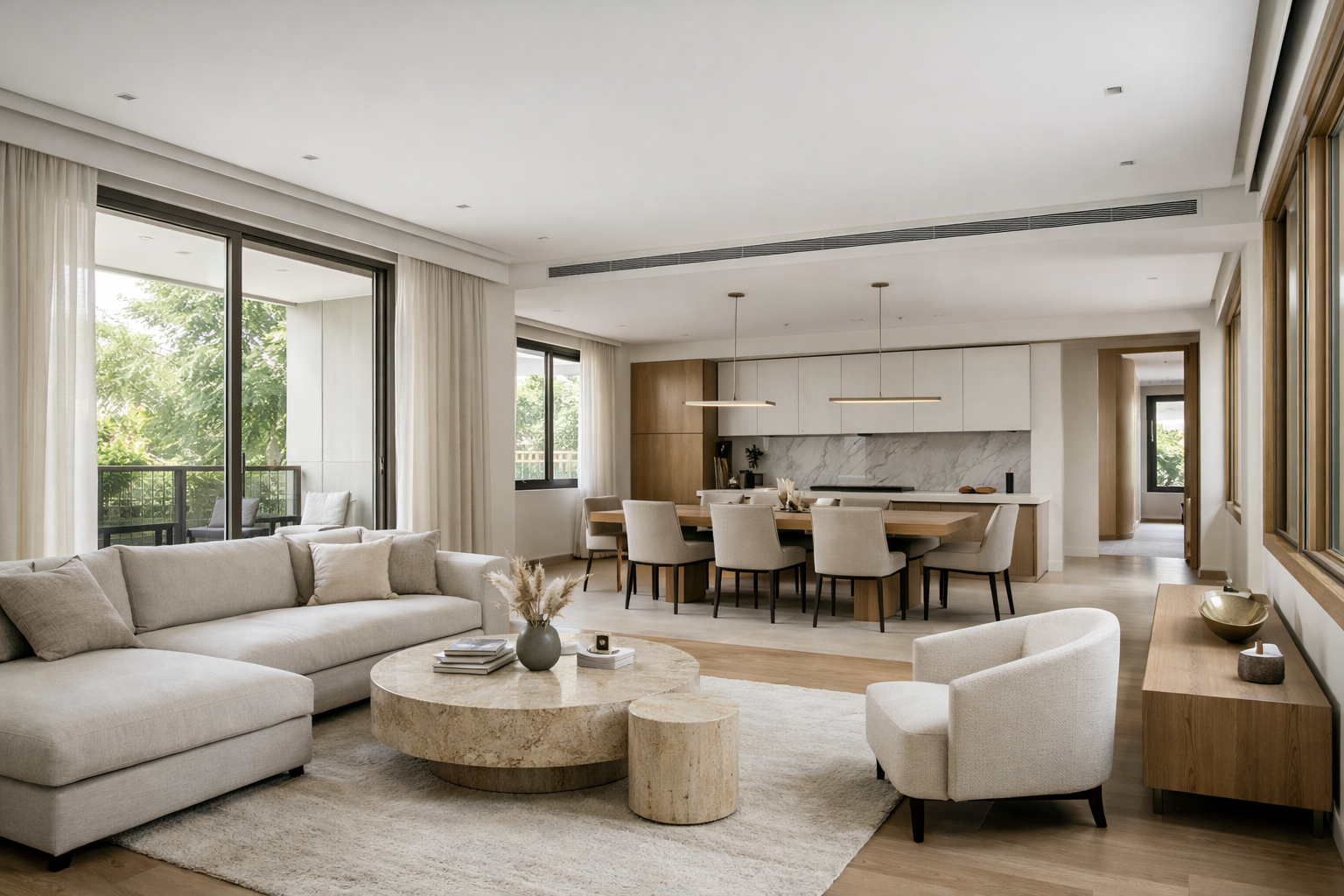
From a home space planning builder perspective, spaciousness is not always determined by square footage. Many buyers assume larger homes automatically feel more comfortable, yet builders frequently observe that two homes of identical size can create completely different living experiences. The reason lies in planning, proportions, and spatial flow rather than area alone.
In South Delhi’s builder floor developments, thoughtful home space planning builder perspective allows developers to transform limited urban plots into homes that feel open, balanced, and comfortable for everyday living.
Why Home Space Planning Builder Perspective Matters in Modern Homes
Modern urban homes require efficient use of space. A strong home space planning builder perspective focuses on how residents experience movement and openness inside the home rather than maximizing built-up area.
Builders analyze:
-
visual openness between rooms
-
circulation efficiency
-
natural light movement
-
functional zoning of spaces
When planning is correct, even moderately sized homes feel expansive and breathable.
Visual Sightlines in Home Space Planning Builder Perspective
One of the most important elements in home space planning builder perspective is visual continuity.
Builders design layouts so that when residents enter a home, their line of sight extends naturally toward brighter or open areas. This creates psychological spaciousness.
Techniques include:
-
aligning living and dining areas
-
minimizing unnecessary partitions
-
positioning balconies strategically
-
creating uninterrupted visual depth
These decisions significantly influence how large a space feels.
Role of Natural Light in Home Space Planning Builder Perspective
Natural light plays a major role in perceived spaciousness. During home space planning builder perspective, developers position openings to maximize daylight penetration.
Builders carefully plan:
-
window placement
-
balcony orientation
-
reflective interior surfaces
-
room alignment with sunlight direction
Well-lit homes appear larger because brightness reduces visual boundaries within spaces.
Ceiling Height and Proportion Planning
Another critical factor in home space planning builder perspective is vertical proportion.
Builders evaluate ceiling heights relative to room dimensions to create balance. Proper proportions prevent rooms from feeling compressed even when area remains unchanged.
Higher or well-balanced ceilings:
-
improve airflow
-
enhance openness perception
-
create premium spatial experience
Circulation Flow and Movement Comfort
Movement inside the home strongly affects how spacious it feels. Home space planning builder perspective prioritizes natural circulation paths.
Builders ensure:
-
smooth transitions between rooms
-
wider passageways where required
-
logical placement of entrances
-
minimal dead spaces
Efficient circulation removes congestion and improves usability.
Furniture Planning Within Builder Space Design
Builders often anticipate furniture placement during layout planning. Home space planning builder perspective considers how residents will actually use rooms.
Planning includes:
-
adequate wall lengths for furniture
-
avoiding awkward corners
-
maintaining functional walking areas
-
ensuring balanced proportions
This prevents overcrowding and maintains openness.
Balancing Open Layouts and Privacy
While openness is important, privacy must also be preserved. Home space planning builder perspective separates public and private zones effectively.
Builders typically design:
-
welcoming common spaces near entry
-
bedrooms positioned away from activity areas
-
controlled visual separation
This balance allows homes to feel spacious without sacrificing comfort.
Material and Color Influence on Spatial Perception
Builders also consider finishing materials during planning stages. Light-toned materials, consistent flooring, and minimal visual breaks enhance spaciousness.
Home space planning builder perspective integrates design and architecture together rather than treating interiors as an afterthought.
Why Spacious Feeling Improves Long-Term Property Value
Homes that feel open attract stronger buyer interest. Builder experience shows that layouts designed using home space planning builder perspective often sell faster and maintain higher resale demand.
Comfort-driven design creates lasting appeal beyond temporary design trends.
Conclusion
A well-designed home does not rely solely on size but on intelligent planning. Through a thoughtful home space planning builder perspective, developers create homes that feel naturally spacious, comfortable, and functional. By balancing light, proportions, movement, and layout efficiency, builder floors can deliver premium living experiences even within urban space limitations.
Understanding this approach helps buyers recognize the expertise behind homes that simply “feel right” the moment they walk in.