
Builder floor facade maintenance protects more than appearance. The exterior manages rain, heat, dust and movement while securing stone, cladding, glazing and service penetrations above public or private areas. A small failed seal can stain an internal wall; a loose exterior element can create a serious safety risk.
Owners should receive a maintenance plan at handover and use trained professionals for work at height. This guide helps residents organise inspections; it is not a substitute for a façade engineer, architect or safe-access specialist.
Read the Facade as a Complete Assembly
A South Delhi builder-floor elevation may combine plaster and paint, natural stone, metal or composite panels, glass railings, aluminium or uPVC windows, screens, planters and external services. Each material moves, weathers and drains differently.
Problems often develop at junctions rather than in the centre of a material. Pay attention where stone meets a window, a pipe crosses a wall, a balcony slab meets the elevation or a railing enters the waterproofed surface.
Builder Floor Facade Maintenance Records
Request elevation drawings, material names, fixing details, sealant specifications, warranties and installation contacts. Photographs of concealed anchors or framing are valuable because the support system disappears after completion.
The handover schedule should identify safe inspection access and items that require specialist attention. If cleaning needs suspended equipment or work near electrical lines, owners must use an authorised method and competent contractor.
Builder Floor Facade Maintenance for Stone and Cladding
Exterior stone maintenance begins with visual observation from a safe location. Look for cracks, displaced pieces, open joints, staining, rust marks, hollow-sounding areas reported by professionals or movement around openings.
Do not tap, pull or pressure-wash elevated stone as an informal test. The fixing method and substrate must be understood before repair. A qualified professional may recommend closer inspection or controlled testing where there is evidence of movement.
For sheet or panel cladding, observe loose edges, deformed panels, open fasteners, failed joints and water trails. Wind can act on poorly secured elements even when they look light.
Plan Builder Floor Facade Maintenance for Sealants
Sealants around windows, cladding joints, pipes and movement joints have a limited service life. Sunlight, pollution, joint movement and poor surface preparation can cause cracking, loss of adhesion or hardening.
Inspect for gaps, peeling edges and dirt patterns that suggest water is bypassing the joint. Replacing sealant is not simply adding a new bead over the old one. The repair method should address compatible materials, joint depth, backing, surface preparation and curing.
Keep product records so future contractors can avoid incompatible coatings or sealants. Where recurring cracks appear, investigate movement rather than repeatedly covering the symptom.
Review Windows, Sills and Drip Details
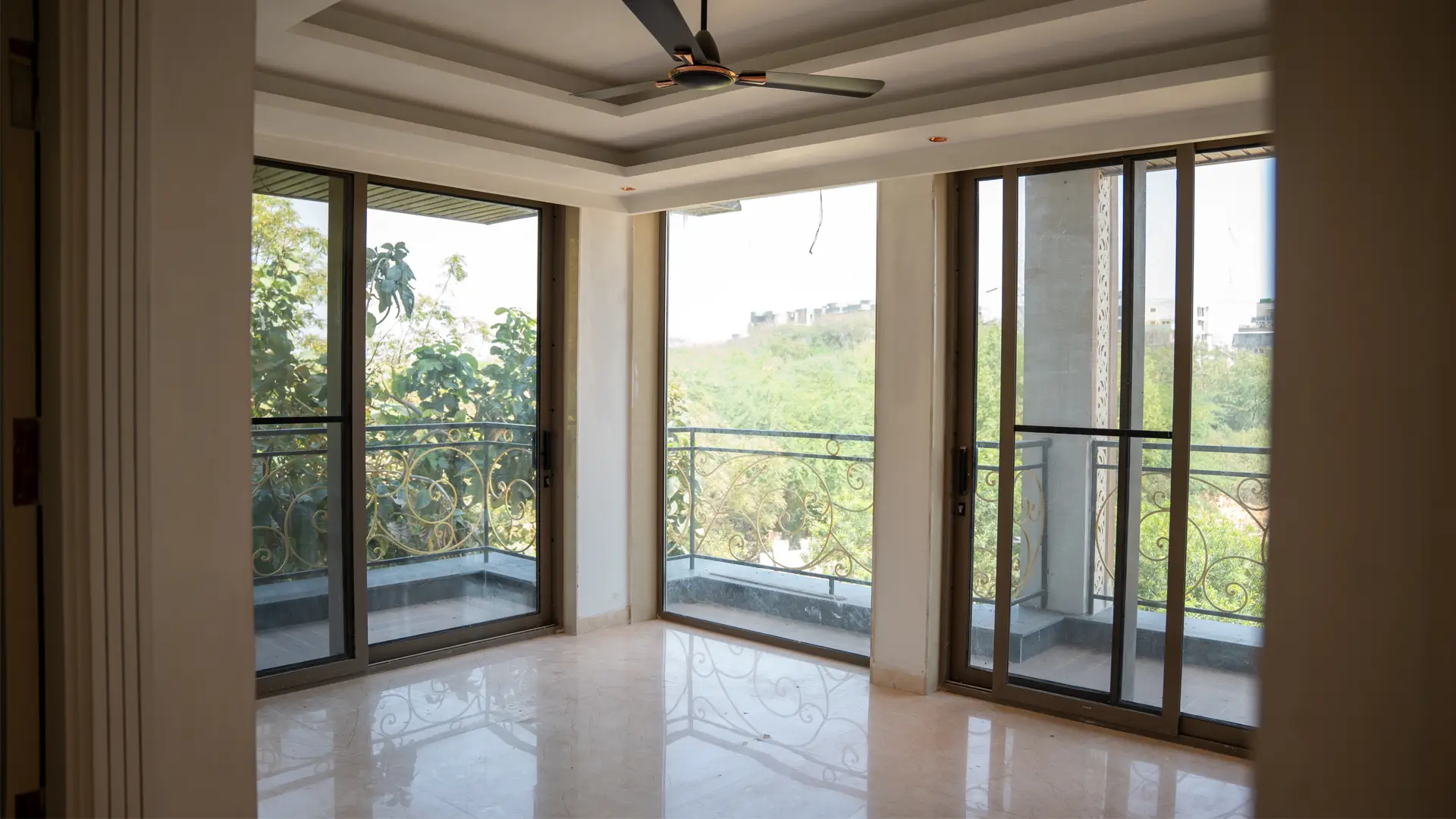
Window perimeter sealing should guide water outward while allowing designed drainage paths to function. Check sill slope, end conditions, drip grooves, frame weep paths and the joint between the frame and wall.
Inside, look for paint bubbling, dark corners, swollen timber or dampness after rain. Outside, observe cracked plaster and failed perimeter joints from a safe position. Do not block drainage holes during cleaning or seal every visible opening without understanding its function.
Opening hardware, gaskets and brush seals also need periodic care. Follow the window manufacturer’s instructions for cleaning, lubrication and replacement.
Maintain Paint, Render and Decorative Screens
Exterior paint care includes cleaning, crack review and timely recoating with a compatible system. Colour fading alone may be cosmetic, but blistering, chalking or repeated damp patches deserve investigation.
Render cracks should be classified by a professional if they are wide, growing, diagonal or associated with movement. Decorative screens and fins need secure fixings, drainage and safe cleaning access. Creepers or planters should not conceal deterioration or keep the wall continuously damp.
Keep Water Away From the Elevation
Many façade stains begin with drainage. Clear terrace outlets, balcony spouts, planter drains and AC condensate lines. Confirm that water does not run down stone faces or discharge onto a lower neighbour’s window.
Rainwater pipes should be supported, connected and accessible. An overflowing roof outlet can overload joints that were never intended to handle continuous water. After major storms, inspect known risk points and record changes.
Create a Builder Floor Facade Maintenance Calendar
Use a simple log with photographs from the same viewpoints. A practical schedule may include routine ground-level observations, seasonal checks before and after monsoon, manufacturer-led servicing and a closer professional inspection when defects appear.
The appropriate frequency depends on materials, height, exposure and warranty conditions. Do not copy a generic interval if the project documentation requires something different.
Allocate responsibility among floor owners for common elevation work. Agree who can appoint contractors, approve costs, access balconies and retain records. Delayed decisions can turn a small sealant repair into internal damage across more than one home.
Builder Floor Facade Maintenance Checklist
- Compare the current elevation with handover photographs.
- Look for loose, cracked or displaced exterior elements.
- Review window and service-penetration joints.
- Clear roof, balcony, planter and condensate drainage.
- Record internal dampness after rain by exact location.
- Keep incompatible cleaning chemicals away from finishes.
- Use competent professionals and approved work-at-height access.
- Close repairs with photographs, product data and warranty records.
Consistent builder floor facade maintenance preserves design intent, controls water entry and gives owners evidence before a defect becomes urgent. The best time to create the plan is at handover, while specifications and contractor information are still available.