Buying a builder floor in Delhi is not one decision. It is about forty small ones, and the expensive mistakes almost never come from the big question of whether you like the flat. They come from the four or five items everyone skips because they are boring and nobody asked for them. This checklist puts the work in the order it actually happens, and pairs each item with the proof that closes it.
How to Use This Checklist
Work through the stages in order. Each one has a stopping point, and the point of the stopping point is to stop you spending money on a property that will fail later. Do not pay a token, a booking amount or a “good faith” deposit before stage three is complete. A seller who resists that sequence is telling you something about the file.
Two rules apply throughout. First, nothing counts unless it is in writing and matches the documents. Second, a verbal assurance about a sanctioned plan, a terrace or a parking space is worth nothing at resale. Everything you are told should end up as a document you can hand to a bank.
The Buying a Builder Floor in Delhi Checklist, Stage by Stage
Stage 1: The Plot and the Street
- Confirm the plot size in square yards, and check it matches the sale deed and the sanctioned plan.
- Walk the approach road. Note its width, the turning space and whether a fire tender could reach the gate.
- Check the street at 9am and again at 8pm. Parking, noise and traffic look different at each hour.
- Ask what the neighbouring plots are used for. A guest house or a workshop next door changes the value of a residential floor.
- Confirm the colony’s status: whether the land is freehold or leasehold, and whether conversion has been done.
Stage 2: The Building and the Unit
- Count the floors against the sanctioned plan. An extra floor is a real problem, not a bonus.
- Measure carpet area room by room. Do not accept the built-up figure on the brochure as the number you are paying for.
- Inspect ceilings below terraces and bathrooms for seepage, and the base of external walls for damp.
- Check the staircase width, headroom and handrail, and the lift’s maintenance record where there is one.
- Test water pressure on the top floor and find the tanks.
- Ask for the sanctioned electrical load and whether each floor has its own meter.
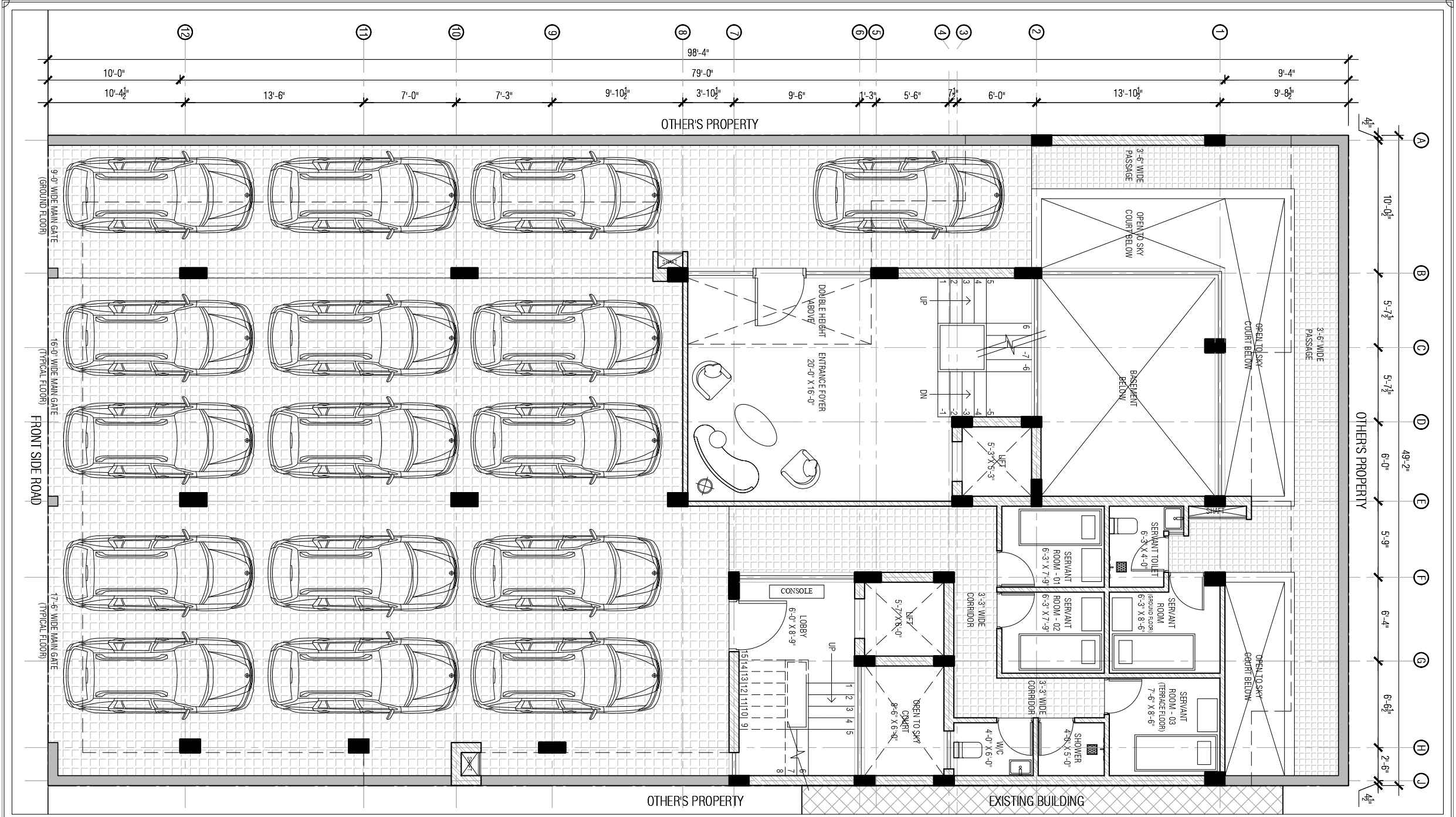
- Count the parking spaces the building holds when every family is home.
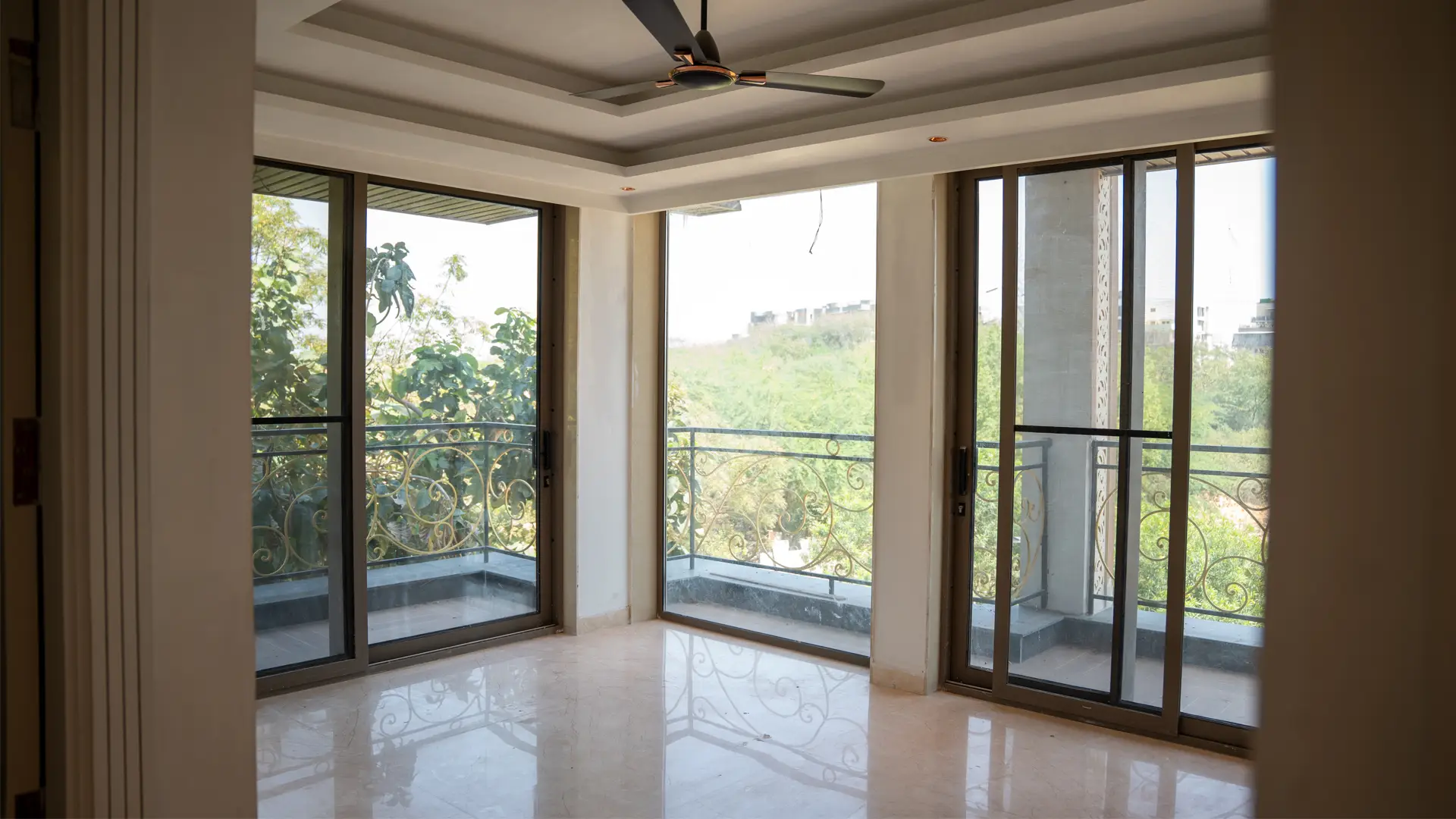
- Open every window and check what it faces, including the distance to the neighbouring wall.
Stage 3: The Title Chain
This is the stage that decides whether the purchase is financeable. Every transfer in the property’s history should be traceable through registered documents, and each should match the next in the seller’s name, the area and the description of the property.
- Collect the chain of registered sale deeds from the original allotment or the earliest available transfer.
- Match the seller’s identity and address proof against the last registered deed.
- Check for a power of attorney in the chain. A sale completed on the strength of an old, unregistered power of attorney is the single most common source of later disputes.
- Ask for the encumbrance position: any mortgage, lien or pending litigation on the property.
- Check mutation in the municipal records and the latest property tax receipt.
If any of those five items cannot be produced, stop and take legal advice before going further. The seven legal documents to verify before buying a builder floor explains what each one proves.
Stage 4: Sanction, Completion and Deviations
Ask for the sanctioned building plan and read it against the building, floor by floor. Three things usually differ: an added floor, an enclosed balcony or stilt, and a setback that has been built over. Minor deviations may be acceptable to you and to a lender. Structural ones are not.
Where a completion certificate was issued, ask for it. Where none exists, ask why and get the answer in writing. The method for reading the drawing is set out in the guide to checking a sanctioned building plan in Delhi NCR.
Stage 5: What You Own
A builder floor is a floor plus an undivided share of the land beneath the building. Confirm the share as a fraction or a percentage, check that it is written into the sale deed, and check that the shares of all the floors add up to the whole. If they do not, the arithmetic will surface at resale or at the time of redevelopment.
Terrace and roof rights sit outside that share. They pass only if the deed grants them, and the explanation of terrace rights on builder floors covers the wording to look for. The wider point about land share in a builder floor is worth reading before you accept a percentage quoted verbally.
Stage 6: Money and Finance
- Get the circle rate for the specific colony and category, then compute stamp duty on the higher of that value or the transaction value.
- Add the registration charge, brokerage, conversion charges on leasehold land, and the cost of transferring utilities.
- Get a bank valuation before you commit, not after. The lender will use the lower of the registered value and its own valuation.
- Confirm in writing how the payment is staged, and what happens to your token if the seller’s documents fail.
- Budget for the first year of maintenance and any deposit the building collects.
Rates are notified by the Delhi Revenue Department and revised periodically, so check the current notification. The Delhi circle rate 2026 guide summarises the structure, and the stamp duty and registration charges in Delhi sets out the rates in force. The wider cost picture is in the builder floor cost breakup.
Stage 7: Registry and Possession
The sale deed is the document that transfers ownership, and it must be registered. An agreement to sell, a power of attorney or a notarised undertaking does not transfer title, however much paperwork surrounds it. The statutory basis sits in the Transfer of Property Act and the Registration Act, both published on India Code, and the practical sequence is in the registry process in Delhi.
At possession, collect the documents that make the flat usable rather than just owned: the completion certificate where issued, the sanctioned plan, the electrical and water connection papers, the lift maintenance contract, the warranty papers for fittings, and a signed handover note listing the meter readings. Then apply for mutation in the municipal records, because a registered deed in your name and a municipal record in the seller’s name is an unfinished purchase.
Red Flags That Should End the Deal
Most problems are negotiable. A handful are not, and recognising them early saves months.
- A sale by a power of attorney holder where the original owner has never executed a registered conveyance. The buyer inherits every dispute the attorney arrangement was designed to avoid.
- Areas that disagree. If the deed, the sanctioned plan and the tax record give three different areas, the property has never been reconciled.
- Unexplained gaps in the chain. A missing link means someone has to trace heirs, and that is a court timeline, not a paperwork delay.
- A request to register below the agreed price. Under-reporting invites a tax notice, and the difference is unsecured.
- Dues on property tax or electricity that the seller offers to “settle later”. Later is you.
- Cracks that run through the staircase or party walls, rather than hairline cracks in plaster.
What a Clean File Looks Like
A file that will pass a bank’s legal check is not thick. It is consistent. The same plot area appears on the deed, the sanctioned plan and the tax record. The seller’s name appears in the same form everywhere. The share of land is written as a fraction, and the fractions of all the floors add up. The sanction covers every floor that exists. There is no unexplained gap between two registered documents.
When a file looks like that, the remaining questions are about condition and price, which are the questions a buyer is actually equipped to answer. When it does not, the deal needs a lawyer before it needs an interior designer.
The Ten Questions Worth Asking in the First Meeting
- Is the land freehold or leasehold, and has it been converted?
- What is the plot size, and what undivided share of it comes with this floor?
- Is the building on the sanctioned plan, and can I see the drawing today?
- Was a completion certificate issued?
- How many floors does the plan allow, and how many are built?
- Does the deed give the terrace rights to this floor?
- How many parking spaces are on the plan, and which one is mine?
- When were the electrical and plumbing services last replaced?
- Who are the other floor owners, and how are common expenses shared?
- Why is the seller selling, and how long has the flat been on the market?
Answers to those ten questions tell you more than an hour of touring. If you are still deciding between a floor and a gated project, the comparison of a builder floor and an apartment in Delhi is the honest starting point. And if you want the checklist run against a specific property with you, Rana Infra does this work in South Delhi every week.