A builder floor snagging inspection gives buyers a structured way to record incomplete work, visible defects and service problems before possession. It turns comments such as “the door feels wrong” into a location, photograph, test result and closure responsibility. That clarity helps the buyer and site team complete the home efficiently.
Snagging is not a structural certification, title check or statutory approval. The scope should identify what the inspector will observe, what specialist testing is excluded and when repaired items will be retested.
What a Snagging Inspection Should Cover
A useful inspection follows the home room by room and includes common areas that affect it. Typical categories are walls and ceilings, flooring, joinery, windows, sanitary fittings, electrical points, plumbing flow, drainage, HVAC interfaces, appliances supplied with the home, balconies and parking access.
The inspector should also compare visible work with agreed specifications and available drawings. Concealed work cannot be verified by appearance alone, which is why test records and construction photographs remain important.
When to Book a Builder Floor Snagging Inspection
The best time is when construction is substantially complete, utilities are available for testing and the site team still has access to trades. Inspecting too early creates a list dominated by unfinished work. Inspecting only after moving in makes access and responsibility harder.
Allow time for correction and a reinspection before final acceptance where the agreement permits. Ask the builder how notice, access and closure are handled so the inspection fits the possession process.
Select the Right Inspection Scope
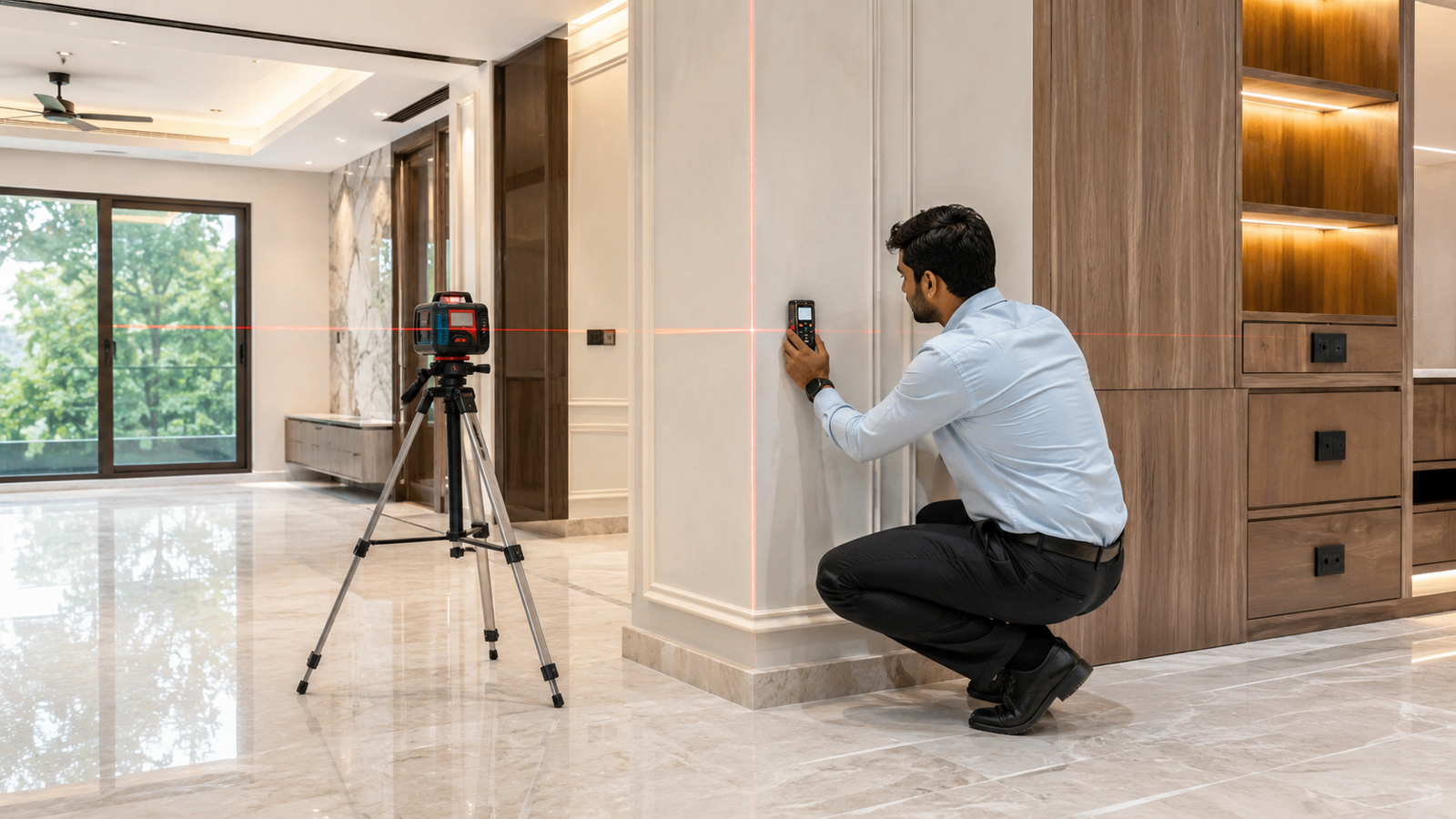
Compare proposals carefully. One service may provide a rapid visual walkthrough; another may include moisture screening, electrical point checks, thermal imaging or detailed service testing. Tools do not replace judgment, and every reading requires interpretation.
Ask:
- Which rooms and common areas are included?
- Are roof, stilt, shafts or exterior areas accessible?
- Which fixtures and services will be operated?
- What specialist tests are excluded?
- Will the inspector review drawings or specifications?
- Is a reinspection included or separately charged?
- What qualifications and insurance does the provider hold?
Choose a scope that matches the property and your concerns instead of selecting by report page count.
How a Builder Floor Snagging Inspection Is Recorded
Every item should have a unique number, exact location, concise description, photograph and recommended next action. Severity labels can help prioritise safety, water entry, service failure and cosmetic correction, but their meaning should be defined.
A clear record might say: “Bedroom 2, north window: visible gap at lower perimeter joint; review sealing and water-test after correction.” It should not claim a concealed cause without evidence.
The final report should separate observations from professional diagnoses. Structural, electrical, fire, gas or persistent moisture concerns may require the relevant specialist.
Builder Floor Snagging Inspection for Finishes
View paint, stone, tile, veneer, hardware and glass from reasonable positions under normal lighting. Extremely harsh torchlight can exaggerate minor surface variation, while dim site lighting can hide genuine defects.
Check joint alignment, chipped edges, lippage, stains, cracks, hollow areas identified by an appropriate method, loose handles and incomplete sealant. Compare natural materials with the approved sample because variation may be inherent rather than defective.
Agree acceptance criteria from the contract, specification, manufacturer guidance and professional judgment.
Operate Doors, Windows and Services
Open, close and lock every accessible door and window. Test handles, stoppers, floor springs, mesh panels and safety restrictors. Observe rubbing, excessive gaps, water paths and damaged gaskets.
Operate representative lights, switches, sockets and supplied equipment without dismantling anything. Run taps, showers, flushes and drains, ideally under simultaneous demand. Inspect below wet areas and inside authorised access panels.
Electrical instruments and distribution boards should be handled only by competent professionals. The inspection scope must never encourage unsafe testing.
Include Common Areas and Access
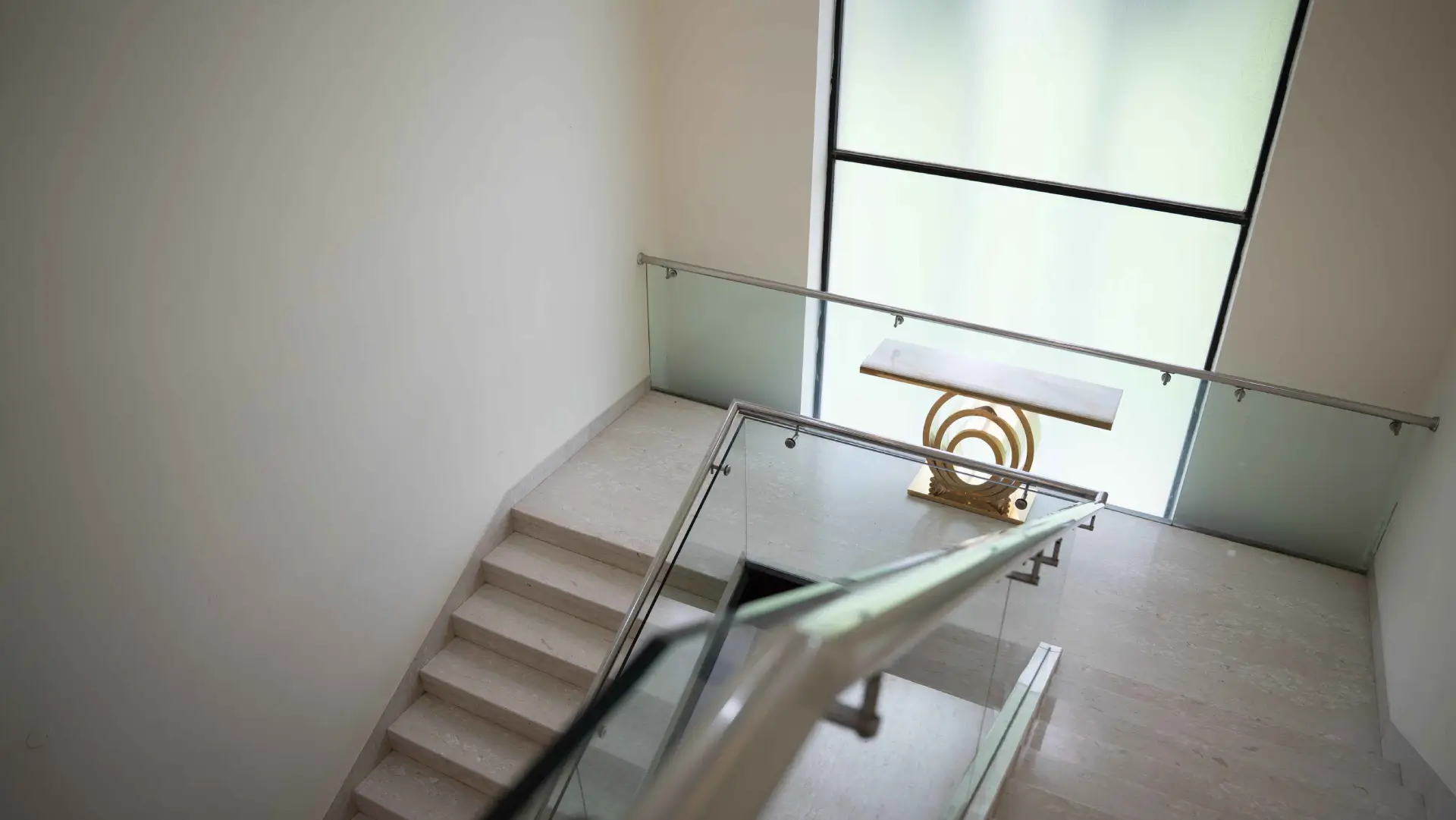
For a builder floor, the home depends on the staircase, lift, stilt parking, tanks, pumps, meters, drainage and external approach. Review cleanliness, lighting, handrails, clearances, labelling and obvious damage. Confirm maintenance access is not blocked by parking or decorative work.
Common-area observations should be allocated to the responsible party and discussed with other owners where needed. A defect outside the apartment can still affect everyday use.
Close a Builder Floor Snagging Inspection Properly
Sending the first report is not completion. The builder should respond item by item, record the corrective action and mark the item ready for review. The buyer or inspector then verifies it.
Retest functional issues under similar conditions. A cleaned stain may return if a leak remains; a planed door may bind again if the frame is moving; a reset circuit may trip under load. Photograph the closed condition and retain both versions of the report.
Do not sign away rights or accept contractual interpretations based on a generic checklist. Review possession documents with a qualified legal professional where necessary.
Builder Floor Snagging Inspection Booking Checklist
- Confirm the property is ready and utilities are active.
- Share relevant plans, specifications and buyer concerns.
- Define included areas, tools, exclusions and report format.
- Arrange safe access with the builder or site team.
- Reserve time for repair and reinspection.
- Escalate specialist issues to qualified professionals.
- Keep the final closed report with handover documents.
A professional builder floor snagging inspection should reduce ambiguity, not create confrontation. The shared goal is a safer, complete and properly documented home at the point of possession.