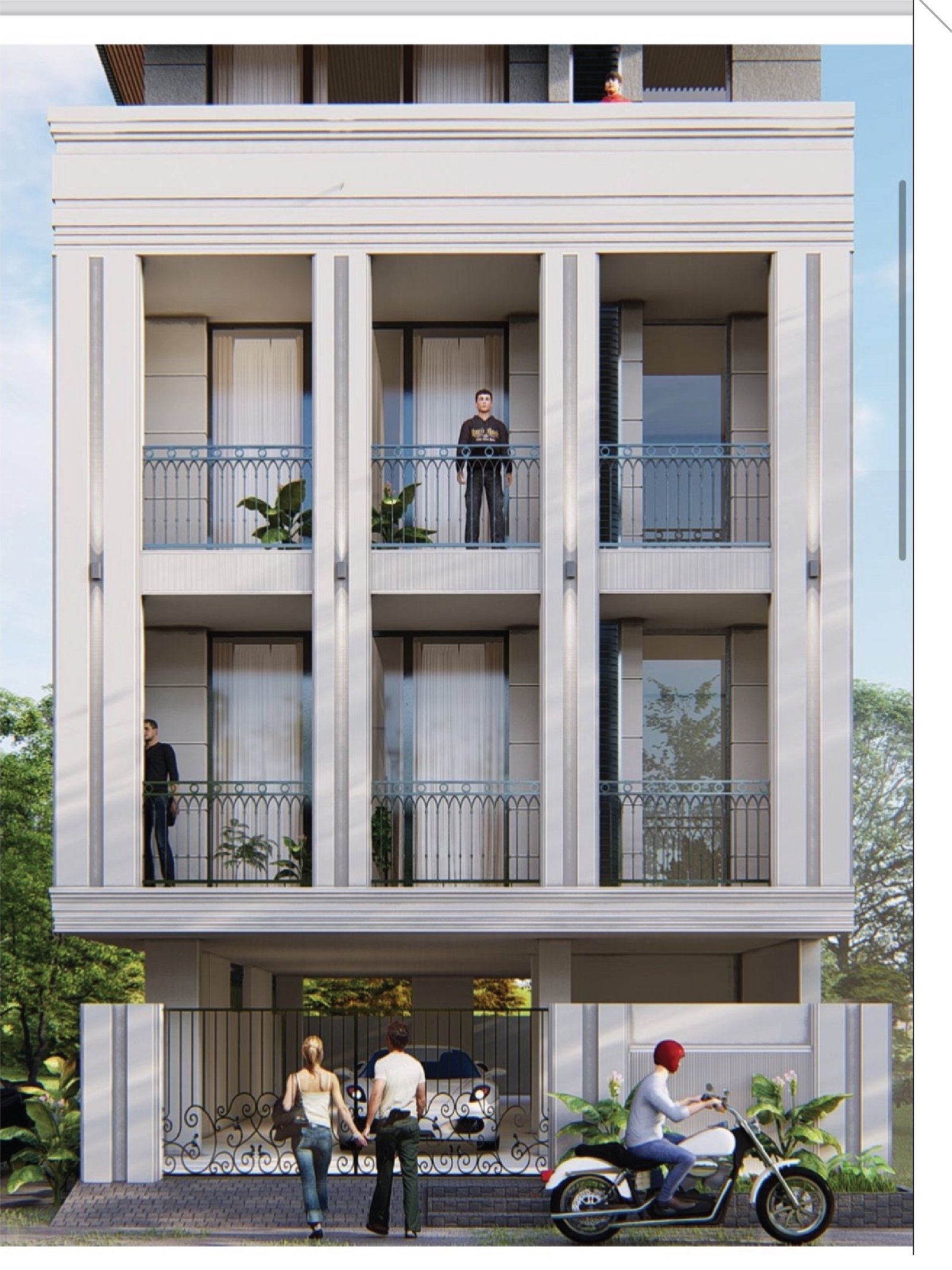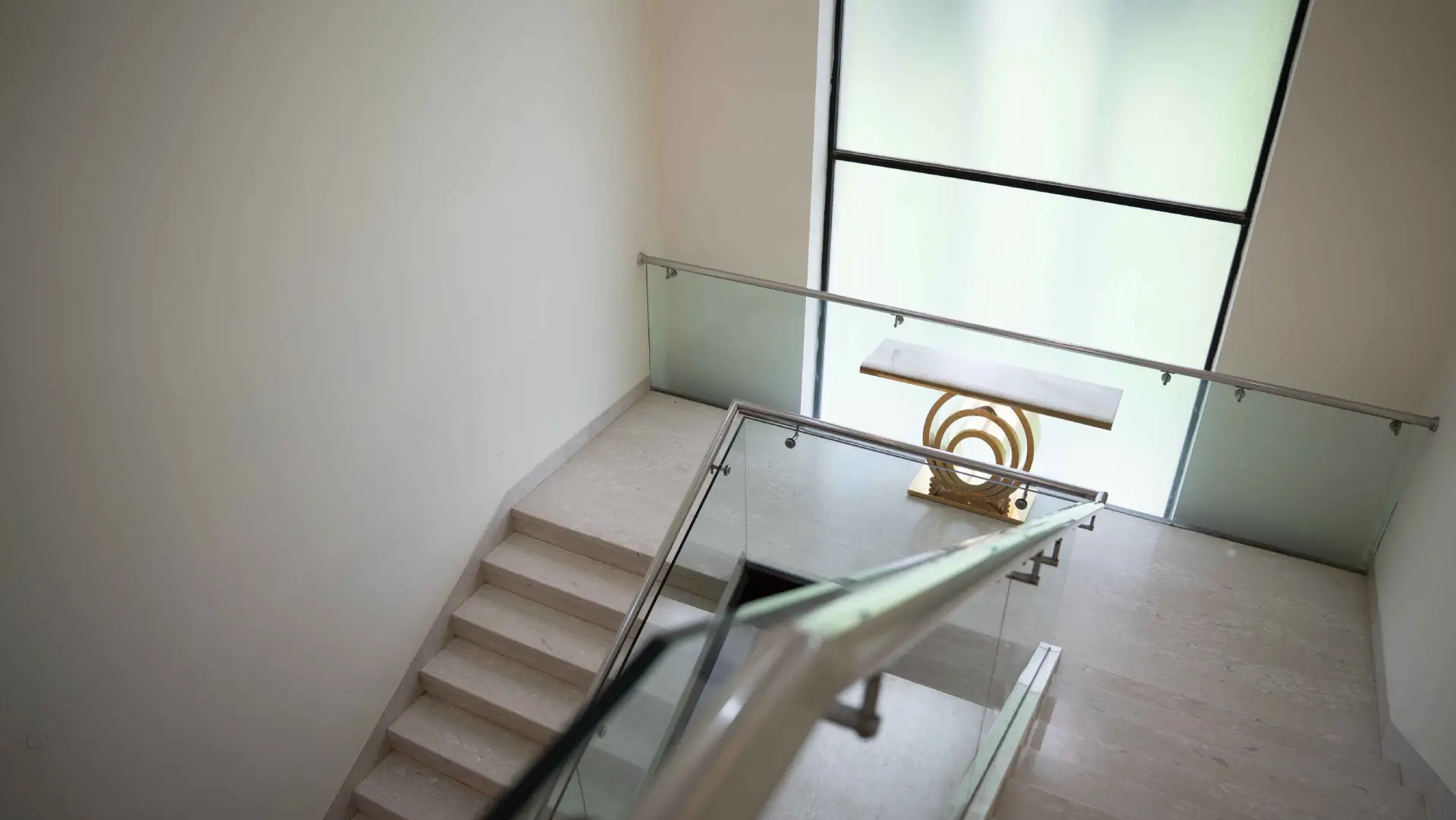
A builder floor is one complete home that occupies an entire floor of a small residential building. You get your own entrance, kitchen, bathrooms, balcony and parking. You share only the staircase, the lift where there is one, and the land under the building. The short answer to what is a builder floor in Delhi is therefore simple. The longer answer is about who builds these floors, how they are sanctioned, and what the paperwork actually transfers to you.
What Is a Builder Floor in Delhi, Exactly?
In Delhi, the term describes a floor built by a private developer on a plotted site and sold one floor at a time. A typical plot carries three or four units. Each unit is registered separately, with a sale deed that also records a share of the land.
That land share is the detail most buyers miss. It is the part of the purchase that gives you a legal interest in the ground beneath the building, and it is what a bank looks for before it sanctions a loan.
The building is low-rise by design. A South Delhi plot usually carries a stilt level for parking, then residential floors above it. Nothing is shared in the way an apartment tower is shared. There is no society, no common corridor, no clubhouse and no sinking fund, unless the owners decide to create one.
The Four Things You Actually Own
- The built floor. The covered area of your unit, including walls, as it stands on the plot.
- An undivided share of the plot. A fraction of the land, recorded in your sale deed. This is what ties your floor to the ground.
- Rights over common parts. The staircase, the lift shaft where one exists, and the passage.
- Any exclusive rights the deed grants. A specific parking bay, or roof and terrace rights on the top floor.
Of these four, the land share decides whether the property is financeable. A floor sold without a documented share is difficult to mortgage and harder to resell, because the buyer’s lawyer will ask the same question the bank asks. We explain how the fraction is calculated in our note on builder floor land share.
How Builder Floors Get Built in Delhi
The sequence is consistent. First, a builder buys or ties up a plot. Then a plan is sanctioned under the building bye-laws that apply to that plot, its size and the road it opens onto. The structure goes up, and the floors are sold one by one.
Because the builder recovers the cost of the land from the sale of the upper floors, the price per square foot of a floor already contains the land cost. This is why a floor in a colony with expensive land costs more than a larger apartment further out, even though the floor has no amenities.
On plots of 100 square yards and above, Delhi’s bye-laws have long allowed a stilt plus four floors, which is why so many new buildings look alike from the street. However, the permission is specific to the plot, the road width and the sanction on record. Ask for the sanctioned plan and compare it with what was built. Four floors on the ground do not prove that four floors were approved.
Construction follows the same order everywhere: foundation and structure, brickwork, waterproofing, services, then finishes. The order matters to a buyer because the defects that appear later, such as seepage at terraces, damp at the plinth and cracks at joints, usually begin at a stage that cannot be repaired cheaply once the finishes are in place.
What the Space Usually Looks Like
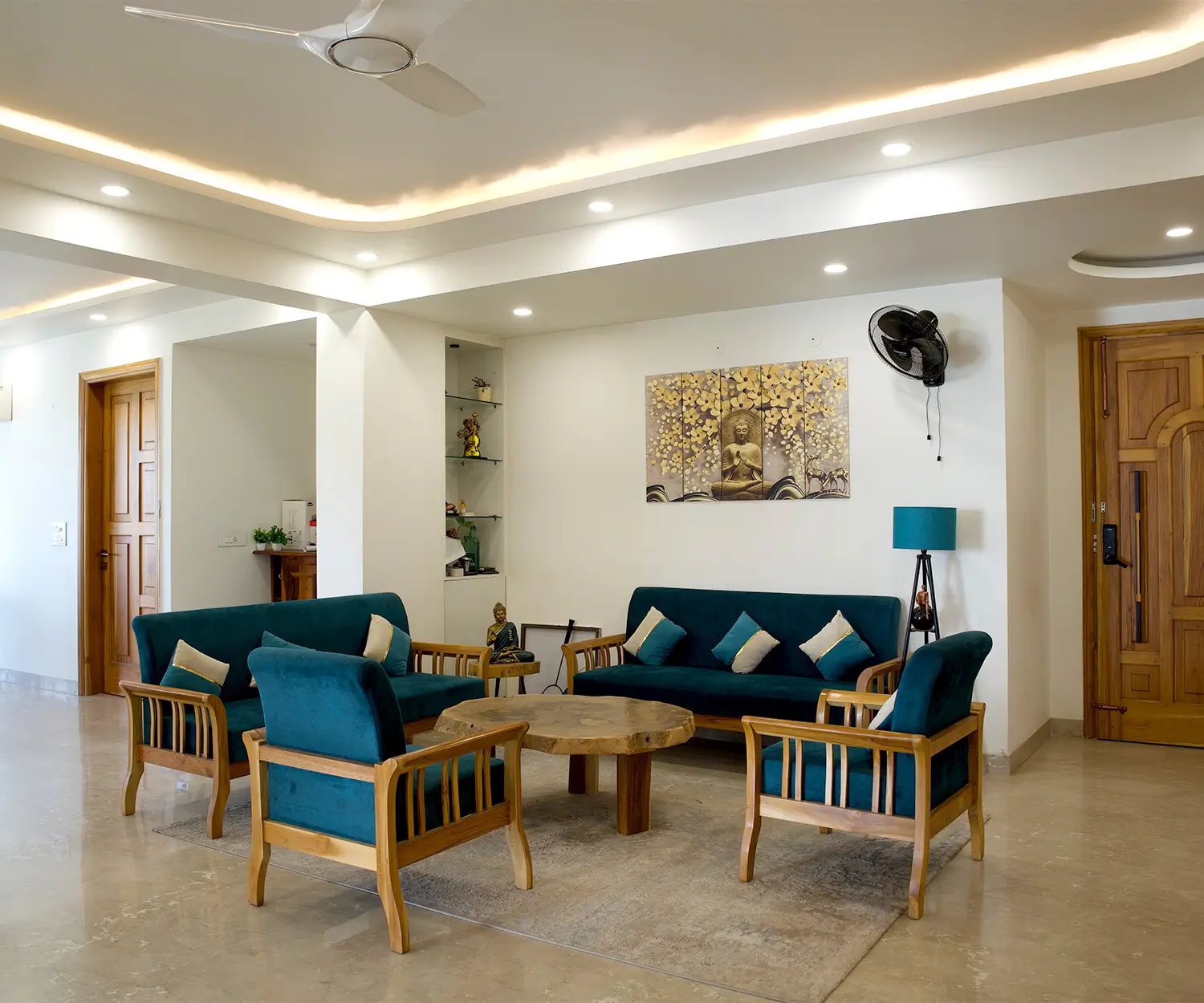
Builder floors in South Delhi are commonly built as two, three or four bedroom homes. A floor on a 200 square yard plot often lands between 1,200 and 1,600 square feet, and larger plots produce larger floors. Because the builder is not fitting a home into a tower core, rooms tend to be squarer and balconies deeper than in an apartment of the same built area.
Nearly every floor has a full kitchen with an exhaust shaft, two or more bathrooms, and at least one attached bathroom. The top floor usually has terrace access. The ground floor often has a small yard. These are patterns rather than guarantees, so measure the unit in front of you and read the sanctioned plan before you rely on any of it.
Builder Floor, Apartment and Independent House
- Apartment. One unit inside a large building with many owners, a society, shared common areas and amenities. You own the unit and a small share of the common areas.
- Builder floor. One unit per floor in a low-rise building, usually three or four units in total, with a land share and no society.
- Independent house. The whole plot and the whole structure, owned by one family.
The practical difference is control. In a builder floor you can decide when to repaint the staircase and who fixes the pump, because there are only three or four owners. In an apartment, those decisions go through a committee. Our comparison of a builder floor against an apartment sets out the cost and lifestyle differences in more detail.
What a Builder Floor Really Costs
The quoted price is not the cost of the purchase. Budget for these items as well.
- Stamp duty. Delhi charges stamp duty on whichever is higher: the declared transaction value or the circle rate for the colony and property category. Rates and rebates are revised by notification, so confirm the current rate on the Delhi Revenue Department website rather than relying on a figure from an older article. Our guide to stamp duty and registration charges in Delhi 2026 lists the components.
- Registration charges. Paid at the sub-registrar when the sale deed is registered.
- Brokerage. Payable where an agent is involved.
- Parking or stilt charges. Sometimes billed separately from the floor.
- Interiors and fit-out. Never included in a resale price, and rarely included in a new one.
- Mutation and property tax. The transfer after registration, plus any arrears sitting on the property.
Two of those items depend on the circle rate, which is the government’s minimum valuation for a colony category. It sets the floor for stamp duty even when the market price is lower. Our explainer on Delhi circle rates for 2026 covers how the categories work. If you want to see how a rate becomes a registry value for a floor, the worked example on builder floor registry value follows the calculation step by step.
What to Check Before You Pay
- Title chain for at least thirty years, with every sale deed in the chain, not only the latest one.
- Sanctioned plan, compared against what stands on the plot.
- Completion or occupancy documentation, where the building has one.
- Land share recorded in the sale deed, as a fraction or a percentage.
- Mutation in the municipal records in the seller’s name.
- Property tax receipts for the last three years, and confirmation that no arrears are attached.
- Water and electricity connections, and whether the meters are independent or shared.
- A physical inspection after rain if you can arrange it: seepage on external walls, damp near bathrooms, cracks where old and new work meet, stilt height, and staircase width.
Ask for original documents rather than photocopies, and have a lawyer read them before you sign anything. The registration itself is routine once the documents are clean. Our step-by-step guide to the registry process in Delhi covers the sequence, the appointments and the fees.
Five Things Buyers Get Wrong
- Assuming the terrace belongs to the top floor. Roof rights are a separate right and have to be granted in the deed.
- Assuming the stilt bay is owned. It is often a right to use a marked bay, not a title.
- Treating four floors as proof of approval. Only the sanction proves it.
- Buying through a general power of attorney instead of a registered sale deed. The buyer ends up without title, and disputes follow.
- Assuming maintenance is free because there is no society. Pumps, lifts, the facade and the terrace all need money and someone to organise the work.
Why Buyers Keep Choosing Them
Privacy is the main reason. You share a staircase with two or three households rather than a corridor with forty. Rooms are usually larger for the same money, and there are no monthly society charges or amenity bills. You also get a say in how the building is maintained.
The trade-offs are real. Many older buildings have no lift and no power backup unless the owners install it. Repairs are a shared responsibility that three or four families have to agree on, which is easier than a committee but still needs goodwill.
Common Questions
Is a builder floor legal in Delhi?
A builder floor is legal when the building stands on a sanctioned plan and the sale happens by registered deed. Problems come from specific buildings rather than the category: unauthorised additional floors, construction beyond the sanctioned coverage, or a sale without any land share.
How many floors are allowed on a plot?
It depends on the plot size, the road width and the bye-laws in force when the plan was sanctioned. Check the sanctioned plan for that property instead of applying a general rule to every colony.
Can I get a home loan on a builder floor?
Banks do lend against builder floors, but they look closely at the sanctioned plan, the land share and the age of the building. A floor with clean documents is straightforward. One without them may be refused, or valued below the price you agreed.
Who maintains the building?
The owners do, collectively. There is no society unless the owners form one. For a three or four unit building, that usually means an informal arrangement for cleaning, the pump and repairs, with costs split between the households.
Is a builder floor a good investment?
Resale demand in South Delhi is steady because new land supply is limited. However, returns depend on the street, the plot size, the condition of the building and the documents. Compare three recent registered sales in the same block before you decide, and read the values on the registered deeds rather than the asking prices.
Working With a Builder
If you are evaluating a floor in South Delhi, the useful conversation is about documents and construction, not finishes. Rana Infra builds and sells builder floors in South Delhi, and we are happy to walk you through what the papers should show and what the building should look like at each stage. You can reach us through our contact page.