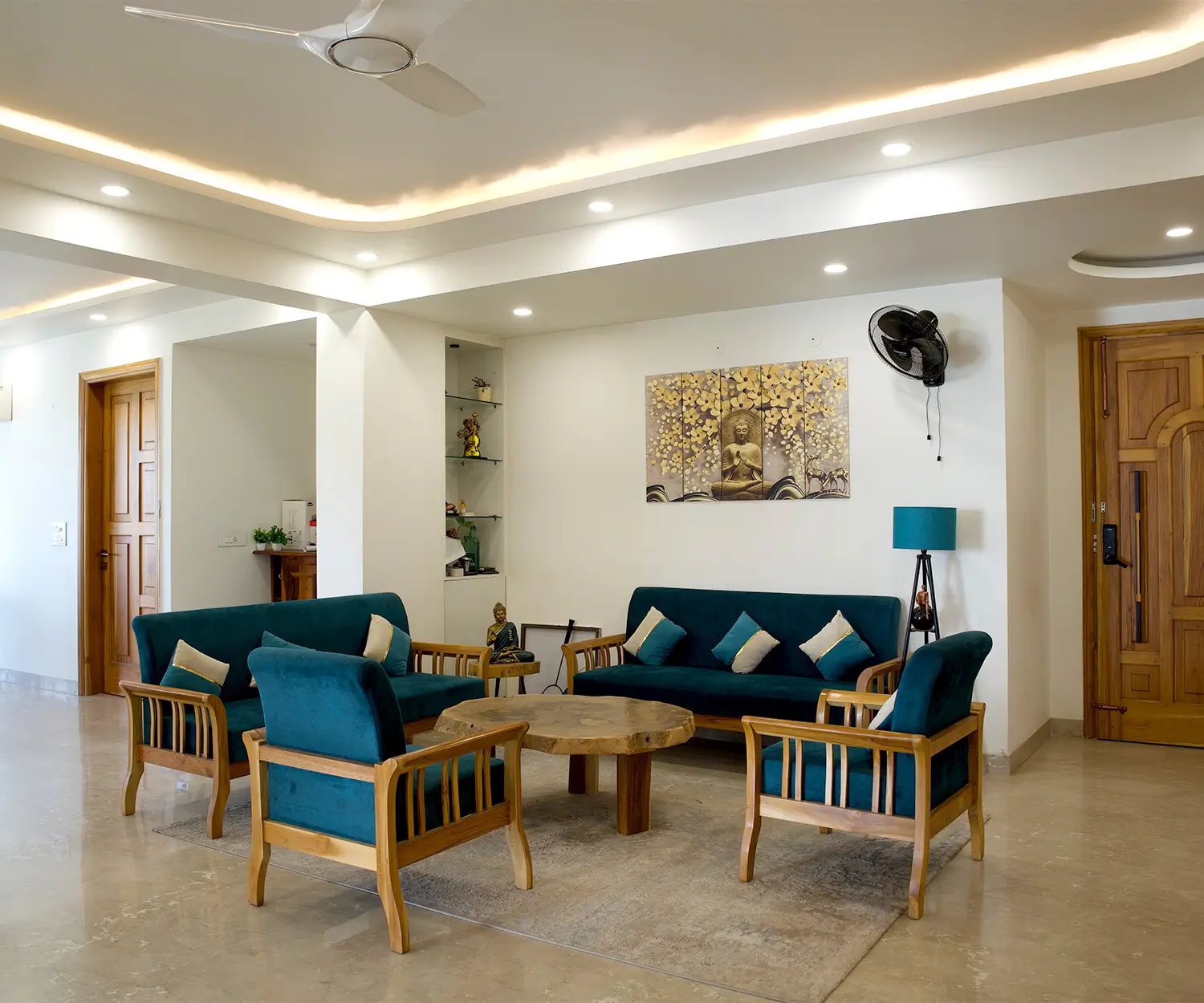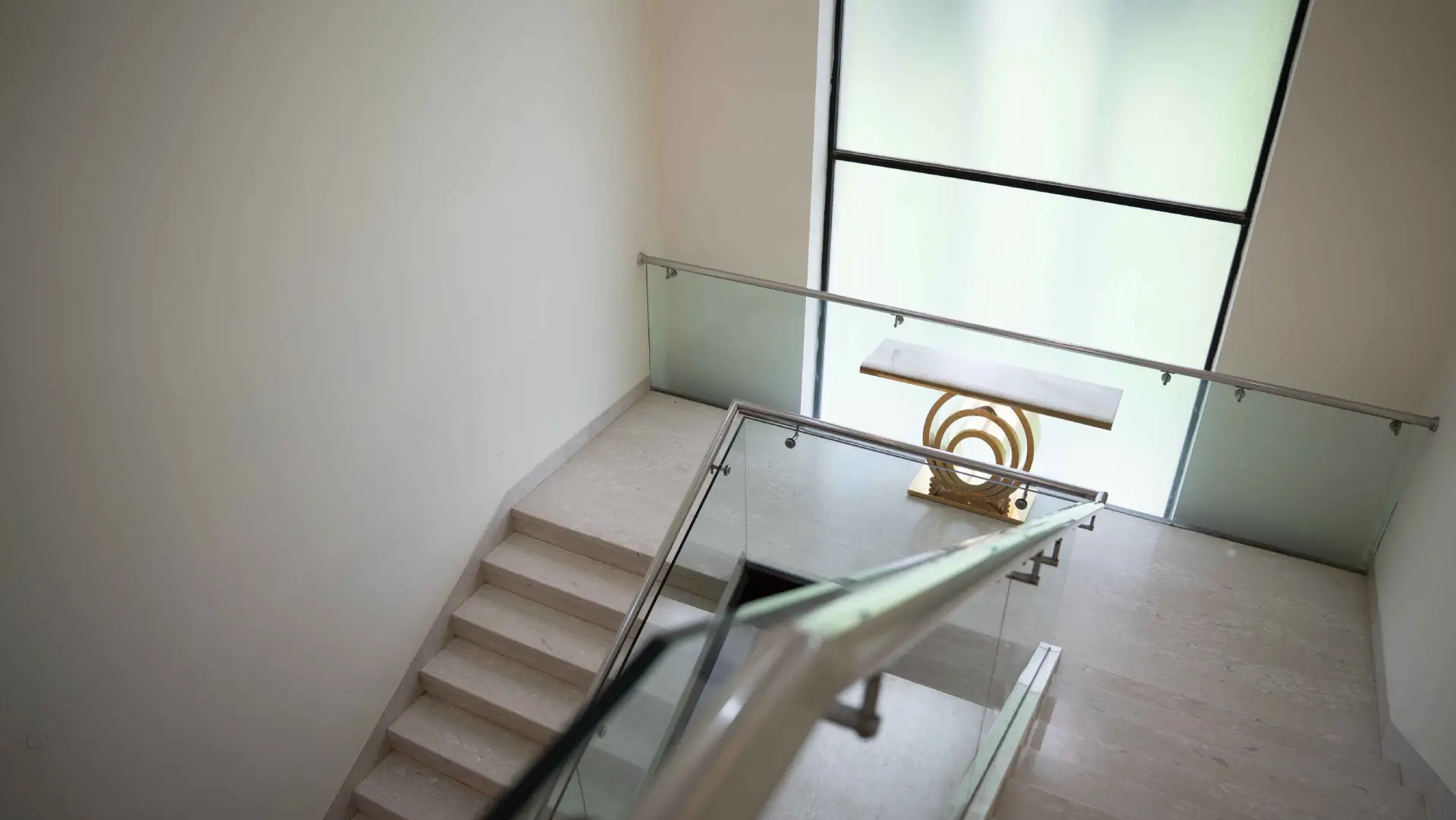
South City 1 sits on the southern edge of Delhi, next to Vasant Kunj, and it is a clear example of how Delhi’s plotted colonies turn into floor-by-floor housing. If you are weighing a builder floor in South City 1, the useful question is not whether the colony is good. It is what a given budget actually buys, in floor area, floor level, finish and paperwork.
What South City 1 Is
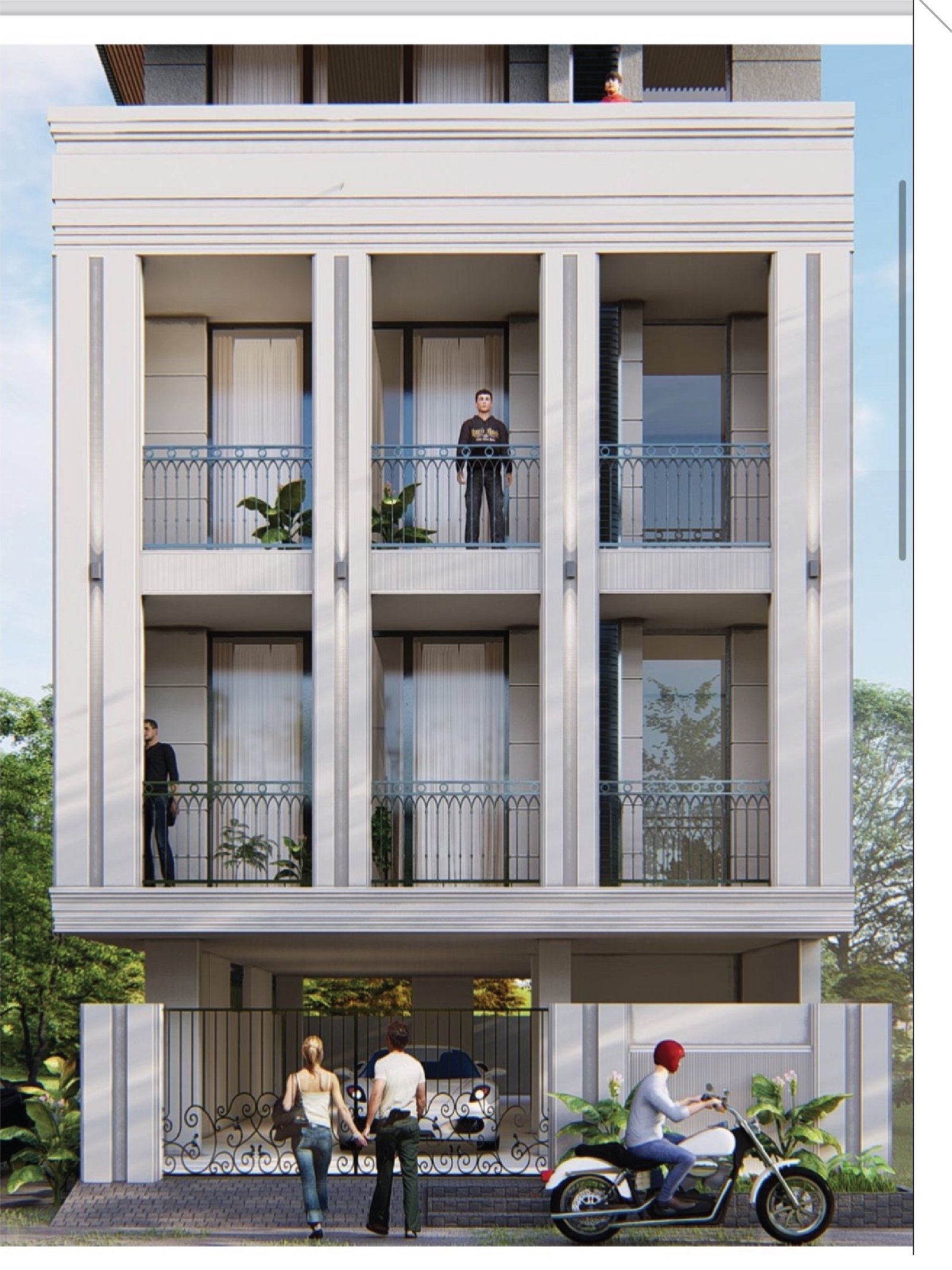
South City 1 is a planned, plotted colony. The original pattern was one house per plot, usually two storeys, on roads laid out in a grid with space for trees. Over the last two decades, many of those plots have been rebuilt as low-rise buildings with a stilt level for parking and three or four homes above it.
The result is a colony with two very different kinds of housing on the same street: original houses, some still occupied by the families that built them, and new buildings where each floor belongs to a different owner. For a buyer, that mixture is useful. It means you can compare an older independent floor and a new builder floor within a few minutes’ walk, on similar plots, and see what the extra money buys.
What a Builder Floor in South City 1 Usually Includes
The typical unit in the colony is a three or four bedroom home, built as one home per floor. The common features are consistent.
- A stilt level used for covered parking, with the living floors above it.
- A full kitchen with an exhaust shaft to the outside, not a recirculating chimney.
- Two or three bathrooms, with the master bedroom attached.
- A balcony off the living room and, in larger units, off a bedroom.
- A lift in buildings completed in the last decade; many older buildings have none.
- Terrace access on the top floor, with roof rights only if the deed grants them.
Floor areas vary with the plot. A floor on a smaller plot may be around 1,200 to 1,500 square feet; larger plots produce floors of 2,000 square feet and above. Treat those figures as a range to argue about with the seller, not as a standard you can rely on. Measure the unit and read the sanctioned plan.
What Your Money Is Actually Buying
Five variables explain most of the price difference between two floors in the same colony.
- Plot size. The land under the building is the largest single component of the price. A floor on a 300 square yard plot carries more land value than a similar floor on a 200 square yard plot.
- Floor area. Compare carpet area, not the number printed on the brochure. Two units can both be described as 1,800 square feet and differ by two hundred square feet of usable space.
- Floor level. The first floor usually commands the most, because it avoids the climb and the terrace heat. The top floor can be the least expensive, unless terrace rights and a good finish offset that.
- Position on the road. A corner plot or a wider road supports a higher price, partly because it supports a better building and partly because buyers pay for light and access.
- Finish and age. A building completed last year with a lift, a modular kitchen and new bathrooms is not comparable to a building from 2008 with original fittings, even on the same plot size.
Two floors can differ by a large margin on those five variables alone. That is why a single per-square-foot rate quoted for the whole colony is close to useless. The rate that matters is the one for the specific building, floor and finish you are considering.
How to Check Whether a Builder Floor in South City 1 Is Priced Fairly
We do not print a price in this article, because a number written today would be wrong within a quarter and would mislead you. What follows is the method a buyer can use to establish the number for the exact floor in front of them.
- Find the circle rate. The Delhi government publishes circle rates by colony category. Look up the category that applies to South City 1 for the current year on the Delhi Revenue Department site. That figure is the government’s floor value, and your stamp duty cannot be calculated below it.
- Ask for registered sales, not asking prices. Request three sales registered in the same block in the last twelve months, and look at the value on the deed. Sellers quote what they hope to get; deeds record what was paid.
- Convert both numbers to a rate per square foot. Use the same measure on both sides, ideally carpet area. Comparing one seller’s super area with another’s carpet area produces a discount that does not exist.
- Adjust for the variables above. Floor level, lift, parking, condition and road width each move the rate. Write the adjustment down rather than arguing about it in the meeting.
If the asking rate is well above the registered sales and the seller cannot point to a reason, that is the finding. If it is below, check why: an unauthorised floor, a shared meter, a title problem or a structural issue are the usual explanations. Our explainer on Delhi circle rates for 2026 covers how the categories are assigned, and the worked example on builder floor registry value shows how a rate turns into a registry figure.
Costs That Sit Outside the Price
- Stamp duty. Charged on whichever is higher, the declared value or the circle rate. Confirm the current rate and any rebate on the revenue department site before you budget.
- Registration charges. Payable at the sub-registrar.
- Brokerage. Typically payable on the agreed price where an agent is involved.
- Interiors. Wardrobes, kitchen appliances, lighting, curtains and any civil changes. Rarely included, and usually underestimated.
- Lift and pump maintenance. Small but recurring, and it has to be organised between three or four owners.
- Mutation and property tax. The transfer after registration, plus any arrears on the property.
The full list, with the sequence in which these payments fall due, is in our guide to stamp duty and registration charges in Delhi 2026.
What to Inspect in a Rebuilt Colony
New construction in an old colony has specific risks. The building may be new while the plot, the drainage and the surrounding levels are not.
- Compare the sanctioned plan with what stands on the plot. Setbacks, coverage and the number of floors are the usual departures.
- Check the stilt height and the ramp. A low stilt damages a car roof and floods in heavy rain.
- Check the staircase width and the number of steps per flight. Narrow stairs are hard to use with furniture and impossible with a stretcher.
- Look at the terrace waterproofing and the parapet. A leaking terrace damages the top floor and, eventually, the floor below it.
- Check the basement, if there is one, for damp and for how water is pumped out.
- Look at the junction between the new building and the neighbouring structure. Cracks there are common and are often patched before a viewing.
- Ask about water pressure at the top floor and the number of hours of supply, especially in summer.
- Check the electricity load sanctioned for the building and whether the wiring supports air conditioning in every room.
Red Flags to Take Seriously
- A sale through a general power of attorney rather than a registered sale deed. The buyer does not become the owner.
- No land share in the deed, or a share that does not add up across the floors.
- Parking sold as a separate item with no documentation behind the sale.
- Four residential floors plus a stilt on a plot that cannot support them under the sanction.
- A building described as new when the structure is older and only the finishes are new.
- A seller who cannot produce property tax receipts or a mutation record.
Living in South City 1
The colony is quiet by Delhi standards. Streets are wide enough for two cars, trees are mature, and most homes have their own entrance. Daily needs, schools and markets are within a short drive, and the position next to Vasant Kunj puts the airport within easy reach.
However, a colony of individual plots does not work like a gated complex. There is no security desk, and street lighting and pavements depend on municipal services. Public transport inside the colony is limited, so a car is practical.
If you want a clubhouse, a swimming pool and a single maintenance bill, an apartment will suit you better. Our comparison of a builder floor and an apartment sets out that trade-off honestly. If you want a colony closer to the Vasant Kunj side, our note on builder floors in Vasant Kunj covers how that market differs.
Who This Suits
Families who want more space than an apartment of the same budget, buyers who value their own entrance and a say in how the building is run, and people who expect to stay a decade or more.
Common Questions
Is South City 1 a good place to buy a builder floor?
It is a well-located, established colony with limited new land, which supports resale demand. The quality of an individual purchase depends on the building and the documents rather than the colony.
How much does a builder floor in South City 1 cost?
Any figure quoted in an article goes stale quickly. Establish it in four steps: the current circle rate for the colony’s category, three registered sale values from the same block in the last year, a conversion of both to a rate per square foot of carpet area, and an adjustment for floor level, parking, lift and condition.
Can I get a home loan on a floor here?
Banks lend against builder floors in the colony, but they will ask for the sanctioned plan, the land share and a clean title chain. A building that deviates from its sanction, or a sale without a land share, is where applications fail.
How do I check whether the property is freehold?
Read the chain of title deeds and the land records. Freehold and leasehold properties behave differently when you sell or rebuild, so confirm the tenure before you negotiate. Our note on freehold and leasehold property in Delhi explains what to look for.
A Last Word on the Price
The price of a floor in South City 1 is set by the plot under it, the floor area on it, the level you are on and the paperwork behind it. If you are looking at a specific unit and want a second opinion on the documents, Rana Infra builds and sells builder floors in South Delhi and can walk the property with you. You can reach us through our contact page.